


Learning Objectives
These objectives are outlined below:
- To explore how human healing methods can enhance artistic practices in mediation settings, creating a holistic approach to services;
- To consider a range of counselling techniques, from cognitive behavioural to art therapy and beyond, highlighting their unique contributions to emotional well-being;
- To investigate the interplay between psychological principles and artistic expressions, identifying how each can inform and strengthen the other in support contexts; and,
- To identify unarticulated emotions through creative expression, fostering greater self-awareness and emotional release.

Topics Covered
This blog post addresses several key elements, including:
- A range of healing techniques that blend science, art, and emotional insight;
- An assortment of therapeutic methods;
- The involvement of psychological sciences alongside artistic expressions;
- The integration of artistic and scientific fields;
- Exploring unarticulated emotions and learning experiences;
- Core principles underlying various healing practices; and,
- A central organizing theme.

Various Healing Techniques: A Fusion of Science, Art, and Emotion
In our journey toward holistic well-being, we explore a variety of healing methods that integrate the psychological sciences and the arts. This approach not only fosters emotional expression but also helps navigate unexpressed emotions that may be holding you back.
In this blog post we introduce varying topics ranging from exploring a range of healing techniques to key aspects of healing practices.
A Variety of Healing Methods
From counselling and cognitive behavioural techniques to mindfulness practices and creative arts therapies, there are numerous ways to achieve healing. Each method offers unique benefits, catering to different needs and preferences.

These techniques are to help you if you are facing challenges in life or have specific needs. Human requirements, and their fulfillment, are at the foundation of various healing techniques to fuel human relationships, resiliency, and well-being. Read more in the Resiliency Toolkit.
The Intersection of Psychological Sciences and the Arts
The healing process becomes more dynamic and effective when psychological principles meet artistic expression. Art, music, and drama, therapies are rooted in the understanding that creativity can unlock unexpressed emotions and facilitate deeper self-exploration.
There is a demand in the field of psychological sciences for incorporating literature on how the arts can fulfill needs. Also, they serve as a means of including various healing techniques to channel emotional expression (Swiatek, et al., 2024). Likewise, drumming processes are a healing technique to facilitate human growth and potential. Furthermore, therapeutic drumming incorporates customary rites, tempos, and songs to facilitate transformative and perceptual changes.
Both the arts and the sciences are drivers to deepen and extend various human healing techniques. Developments in artificial intelligence augment artistic expressions and healing (Abiodun & Nickel, 2024). Technology is a means to examine subjective worlds. Significantly, the arts serve as cross-cultural forms of expression, connecting people in differing contexts and lessening prejudice through various healing techniques (Darda & Chatterjee, 2024 ). Moreover, they can be applied in health situations to discover and express human perceptions and aspirations through imaginative works.

Integrating Artistic and Scientific Disciplines
Blending art with science allows for a more holistic healing process. Techniques like expressive writing, visual journaling, and movement approaches provide a bridge between the analytical mind and the emotional self, leading to a more comprehensive healing journey.
Mediation and Support Services
Working in cross-cultural contexts to support shared and idiosyncratic understanding building bridges between different social, ethnic, religious other groups.
Arts and Expression
By incorporating diverse cultural views and experiences, the arts may question popular stories and help facilitate inclusivity and respect within society.

Navigating Unexpressed Emotions and Learning Experiences
Unexpressed emotions can manifest, for instance, as anxiety, depression, or even physical symptoms. Through various healing methods, such as guided visualization, breath work, and creative expression, you can learn to identify, articulate, and release these emotions. Collison et al. (2000) made a meaningful distinction between the terms “Sage on the Stage” and “Guide on the Side” in the context of education and support strategies.
The Sage on the Stage
The “Sage on the Stage” denoted a traditional model of learning and teaching, where the educator is viewed as being an expert or authoritative figure who imparts knowledge to students in a one-directional flow. Accordingly, the educator is primarily responsible for being a content expert, and learners are expected to absorb information passively. Of course, there are times and situations when negotiating life’s rapids when an expert is just what is needed!

The Guide on the Side
In contrast, the “Guide on the Side” emphasizes a more student-centered approach, where the educator takes on a more facilitative role (Collison, et al., 2000). Another key point, the educator, or facilitator, does not act as the central source of knowledge but instead supports students’ learning by collaborating with them, guiding inquiry, encouraging critical thinking, and providing resources when needed. Moreover, this approach places students at the center of their learning process, empowering them to take more responsibility for their education while still having access to support from the teacher when necessary.
The “Guide on the Side” concept is aligned with more contemporary pedagogical models that emphasise active learning, collaboration, and student agency. Also, this teaching model is particularly well-suited to inquiry-based learning, project-based learning, and other approaches where students take a hands-on role in their education.
Mindfulness And the Environment
The environment can provide opportunities for mindfulness and to be present in the moment. In a counselling setting, mindfulness exercises like deep breathing, sensory monitoring, or body scans can be enhanced outdoors to optimize self-awareness and emotional insight. Also movement, such as, leg raises and star jumps can help to optimize this experience. One size does not fit all and it is important to be aware of your limits and strengths connected to mindfulness. This can call you to reflect upon the planet around you.
Reflection and Perspective Transformation
Being surrounded by nature can providea sense of perspective and modify this. The vastness of the outdoors can help people to view their problems as part of a greater context, limiting feelings of isolation or overwhelming distress.
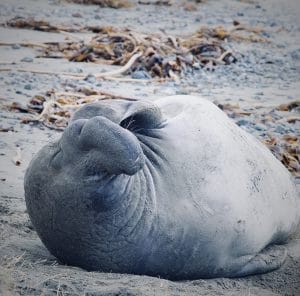
Hanging out with the seals on an island paradise
Mediation, for example, helps to manage conflicts and generate understanding between people, which may be crucial in limiting stress and strengthening optimal relationships. Counselling often offers a safe space for people to unpack their thoughts and feelings, providing revised perspectives, and facilitating coping strategies. One way of possibly reducing stress is of visiting spectacular islands to hang out at a respectful distance with the wildlife. This video showcases a group of seals who are drawn closer to the shoreline to explore a human existence – Galiano Island, British Columbia.
The arts provide an opportunity to acknowledge and manage often new knowledge domains and unexpressed feelings. Furthermore, healing techniques in Ghana may range from the medicinal use of herbs to biomedical and spiritual practices (Asare, et al., 2024). These techniques from Ghana are reflected in other parts of the world. For example, Jung (1978) arrived at a suitable blend of Western and Eastern religion to reveal spiritual and mythical patterns of existence. We are dedicated to working alongside you guiding when needed to create tailored assistance and techniques for healing. For example, to relax more often setting aside regular time to unwind.
Healing Strategies Metaphorically Speaking
Approaches that are designed to alleviate distress must be tailored, and metaphors often assist in beginning to synthesize needs and issues. Metaphors are figures of speech whereby a word or phrase is linked to an element or behaviour to which it is not literally transportable. Metaphors are a means to facilitate a deeper understanding of the cultural and personal contexts that shape people’ lives. People encounter emotional, cultural, and social challenges, and metaphors serve as a tool to navigate through life problems.
METAPHORS AS NAVIGATIONAL TOOLS
Metaphors are one way to help people make sense of new and emerging ideas, especially as they arise in the expansive space of the Internet (Blyth, 2008; Love, 1994).
INTEGRATION OF EXPERIENCES
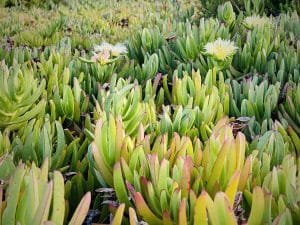
Metaphors are a means to integrate different experiences and emergent themes, particularly when approaching complex or emotionally charged topics (Cohen, et al., 2000; Klemm; 1986).
PHILOSOPHICAL IMPLICATIONS
The philosophical questions that arise from using metaphors in human behaviour and explanatory frameworks reflect their power to shape human understanding of various contexts, including the impact of the digital divide during the rise of adult online learning (Roth, 2024).
POTENTIAL MISAPPLICATION
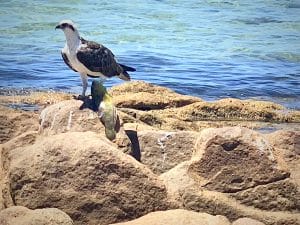
While metaphors and the Internet are powerful tools for connection, they can also be misapplied (Kertesz, 2015; Loettgers (2013). Loettgers (2013) wrote, “Metaphors and analogies have long driven cross-disciplinary exchange” People who are engaged in the collection and storage of data and information perform evaluative tasks. It is essential to analyze this information, which may lead to the creation of narrative texts. Such texts offer opportunities for people to connect with one another through metaphors and broader narratives (Collison et al., 2000).
Foundational Principles of Diverse Healing Practices
Each healing practice is built on core principles, such as empathy, mindfulness, and the belief in peoples’ innate ability to heal. Understanding these principles can help you choose a method that aligns with your personal values and healing goals.
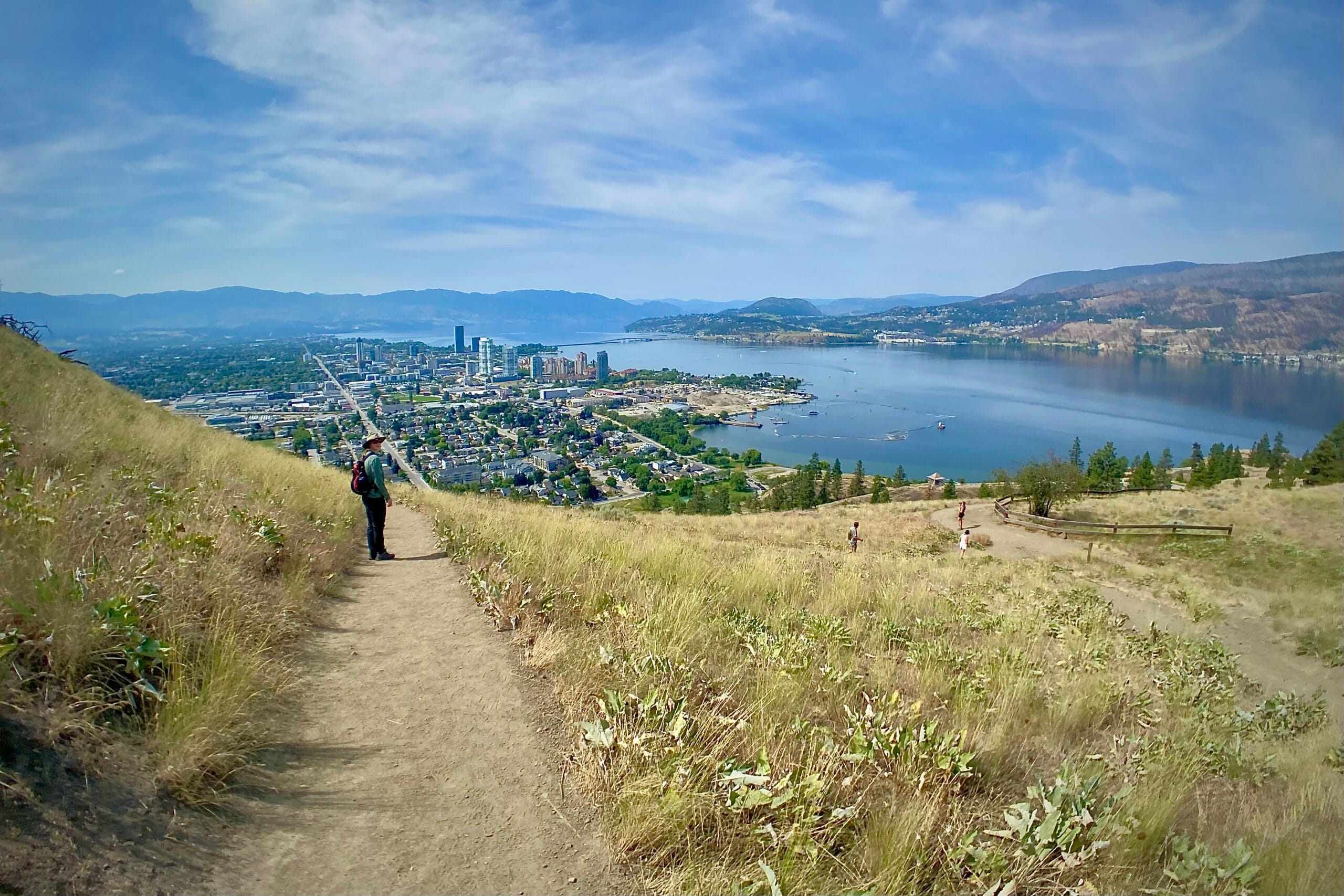
Nature itself can have a restorative quality that helps people work through stress, and distress, ans enhance overall cognitive, physical, and spiritual health. A suitable blend of outdoor spaces and counseling may optimize healing and affective resilience. Outdoor spaces could offer opportunities for holistic grounding, including providing an environment where you can revisit your senses. This could help you to help you to experience this current moment in time.

We may when we go about coding, accommodating, and reflecting on our experiences, be in the process of creating memories (Allitta & Gupta, 2022). These memories often assist us in making meaning from the world surrounding us, thereby creating opportunities for learning. As time progresses, we may expand our personal and social understanding and recollections. For instance, Mackeracher (1996) noted that images and experiences can aid adults in interpreting the events that happen around them.

Examples of Memories
Alitta and Abhijith (2022) described how memories are often anchored in our senses and shaped by both short- and long-term experiences. Sensory cues can immediately transport us to past moments for example, when we picked up on the scent of salty air. First memories might help us to reflect on childhood visits to beaches with our families, where the ocean breezes and the sounds of crashing waves created enduring impressions.
Although a fireplace might be calming or aesthetically pleasing we often learn quickly to think first before we get too close to the flames (Cohen-Mansfield, et al., 2010). This learning is generally shaped by personal and social role modelling. Such memories may be stored for future reference, impacting our responses to like situations later in life.
We could recall feeling disoriented or even traumatized with human, natural, and mixed-causal disasters. Traumatic or highly emotional events, such as surviving a cyclone, tsunami, earthquake, or avalanche, can leave deep impressions and emotional scars. The calmness of blue waters and shores can potentially inspire the most troubled heart. he experience of virtual travel may be nearly as vibrant as actual physical experiences. Imagine islands encircled by clear waters, lush forests, and gentle golden beaches and snow-capped mountains. What is your ideal destination?
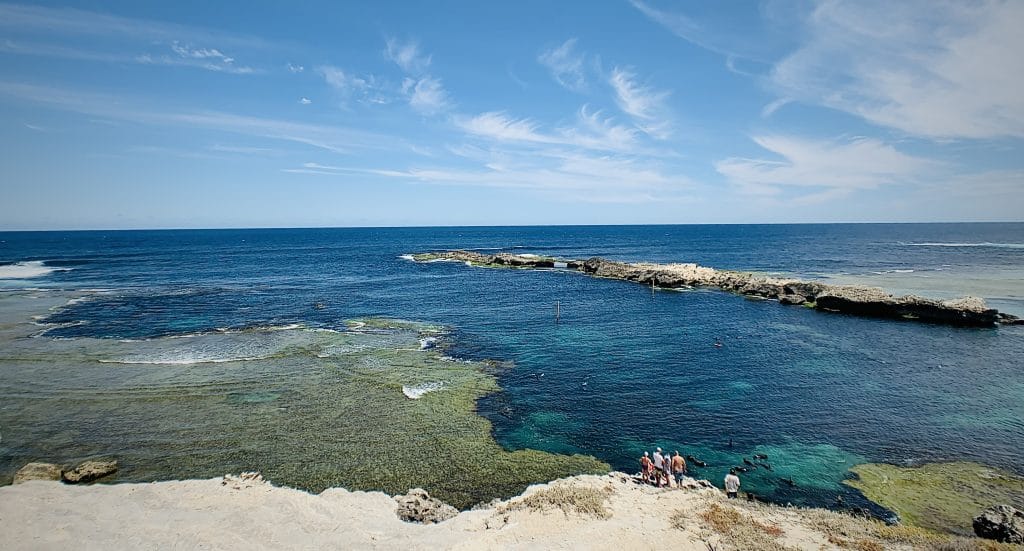
The sight of snow piling up in the mountains might trigger memories of a past avalanche or detailed memories from survivors. These recollections, whether directly or vicariously experienced, may highlight how the boundaries between sensory, emotional, and narrative autobiographical memories may become blurred. However, resilience may be achieved even in challenging circumstances.
Gathering Memories
Your photo libraries can serve as a personal and social archive, reflecting highlights and difficult moments that hold meaning for you, your friends, and even future generations. Photographs are rarely memory aids alone but are also a means to understand the impact of industrialization, both on people and the planet (Guerin, 2017).
Visual media can help individuals and organisations reflect on past experiences, delve into present realities, and guide future directions. In emergency situations, images can provide immediate cues that aid recognition and help keep people safe.
Memory and Rehearsal
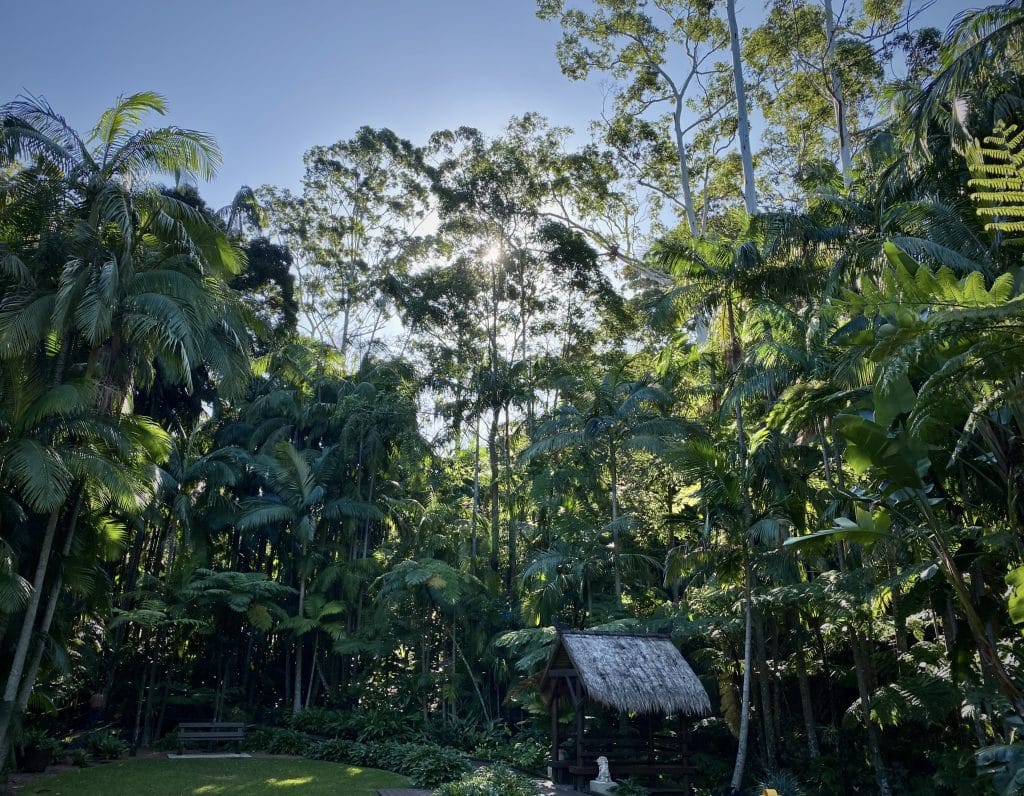
Memory is strengthened through regular engagement. If you rarely revisit your photographs, the memories they hold may recede into the mists of time. When you revisit calming or meaningful images this practice may become a kind of cognitive rehearsal, helping with emotional regulation and self-awareness (Alitta & Gupta, 2022). Strategies, such as, chunking and serial repetition could enhance the utility of both verbal and visual memory aids.
On occasions, when words are insufficient, photographs can provide a visual shorthand to enhance personal and social understanding. Cohen, Kahn, and Steeves (2000) emphasized that “Only patients can reveal the meanings they create, and nurses cannot assume they understand patients’ perspectives” (p. 4). This reminds us of the benefits of self-reported experiences and narratives in optimizing healing.
Interpersonal relationships, whether supportive or challenging, may exacerbate problems and give rise to the process of recovery. As you continue to reflect on and develop your resiliency toolbox, consider which approaches to healing best meet your particular situation. Embracing opportunities for joy, rest, and creativity, while applying meaningful strategies, can augment your well-being and personal development.

Varying Artistic and Educational Support
In the arts and instruction various methods exist. For example, Camelon et al. (1998) suggested that visual cues enhance memory retention and comprehension. These visual cues can range from sketches to photographs.
Each method connected to human experiences, when taken to an extreme, may present both advantages and disadvantages. Henkel (2013) argued that taking photographs might impair memory. Conversely, Barasch et al. (2017) challenges this perspective, positing that photographs can actually enhance recall. Photographs can be powerful drivers, shaping personal meaning, while optimizing healing, and resilience.
An Organizing Focus in Providing Various Healing Techniques
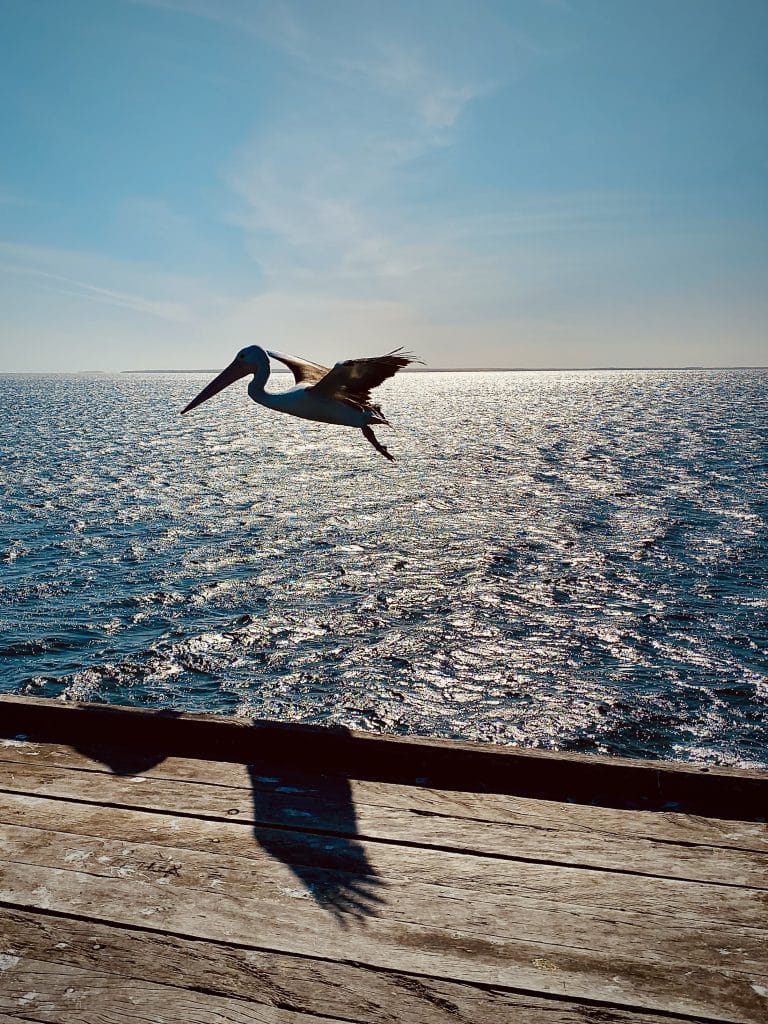
Our emphasis is on a range of healing methodologies aimed at enhancing personal, family, and organizational well-being. We offer pro bono assistance, which includes a complimentary 30 -minute session for individuals, couples, families, and members of organizations from diverse backgrounds.
We welcome individuals of various ethnicities, abilities, genders, sexual orientations, ages, and those with military or para-military, or maritime backgrounds. Our support can extend to people facing challenges such as burnout, emotional distress, grief, difficulties in personal and social relationships, and feelings of isolation.
Upon reaching out to us, we aim to listen! We hear your challenges, potentially assisting in the development of coping strategies and identifying resources. Furthermore, we can collaborate with you to tailor strategies that align with your specific contexts and requirements. We may provide, for instance, counselling, educational, informational, social, and law-related services. Ultimately, our goal is to create a secure and confidential environment where you reflect and initiate meaningful changes in your life.

Furthermore, please remember, when we provide various healing techniques we are here to support you in:
- Achieving personal and social milestones with personalized support; and,
- Making suggestions to get the help you need often when it matters most.
Reaching Out to Us
As you contemplate exploring the world around you or venturing further afield, remember that we are here for you, just a phone call, contact form, or text message away. We are here to guide you through your journey. Feel free to arrange a pre- session with us, where we can discuss an approach for your needs and situations. We offer various healing techniques and referrals tailored to the specific requirements of your vicinity and are delighted to offer you a pre-session to have an overview of your life patterns.
You can access a range of healing techniques and services, including information and referrals tailored to your location. Please let us know the vicinity in which you reside when you reach out to us.
In Closing
This blog post addressed the following topics:
- A range of healing methods;
- The intersection of psychological sciences and the arts;
- The integration of artistic and scientific disciplines;
- Navigating unexpressed emotions and learning experiences;
- Examples of foundational principles of diverse healing practices; and,
- Ways to reach out to us.
In summary, we are dedicated to maximizing human potential. We set out to aid you in reaching your full potential and fostering inclusive connections through tailored healing techniques including mediation, counselling, support, incorporating artistic services.
How to Contact Us.
References
A-B
Abiodun, S.J., & Nickel, L. (2024, September). Artificial Intelligence: Dreams, Data, and Neuro-aesthetics in the age of AI. Journal of Comparative Literature and Aesthetics, 47 (3).
https://jcla.in/wp-content/uploads/2024/05/JCLA-47.3_Autumn-2024_Sade-J.-Abiodun-Luke-Nickel.pdf
Alitta, T. & Gupta, V.A. (2022, October). Role of Rehearsal Language in Working Memory in Bilingual Children. Language in India, (22) 10.
Asare, E.P.D., Kushiro, S.B., Sutherland, E.K, Boateng, & Manortey, S. (2024, May). PLOS One.
http://dx.doi.org/10.1371/journal.pone.0303246
Barasch, A., Diehl, K., Silverman, J. & Zauberman, G. (2017, June 26). Photographic Memory: The Effects of Volitional Photo Taking on Memory for Visual and Auditory Aspects of an Experience. 28 (8). International Journal of Forensic Mental Health.
https://doi.org/10.1177/0956797617694868
Bernard, J.M. & Goodyear, R.K. (2004). Fundamentals of Clinical Supervision. Pearson.
Blyth, C.S. (2008). Research perspectives on online discourse and foreign language learning. In S.S. Magnan (Eds), Mediating Discourse Online (pp. 47-70). John Benjamins.
C-D
Collison, G., Elba, B., Having, S., & Tinker, R. (2000). Facilitating Online Learning. Effective Strategies for Moderators. Atwood.
https://eric.ed.gov/?id=ED448684
Camelon, K.M., Hadell, K., Jameson, P.T., Ketonen, K.J., & Kohtamaki, H.M. (1998). The Plate Model: a visual method of teaching meal planning. DAIS Project Group. Diabetes Atherosclerosis Intervention Study. Journal of the American Dietetic Association, 98 (1), 115-8. PubMed, National Library of Medicine.
https://pubmed.ncbi.nlm.nih.gov/9787722/
Cohen, M.Z., Kahn, D.L., & Steeves, R.H. (2000). Hermeneutic Phenomenological Research. A Practical Guide for Nurse Researchers.
https://sk.sagepub.com/book/mono/hermeneutic-phenomenological-research/toc
Cohen-Mansfield, J., Shmotkin, D., Eyal, Y., & Hazan, H. (2010, March 9). A Comparison of Three Types of Autobiographical Memories in Old-Old Age: First Memories, Pivotal Memories and Traumatic Memories. Geriatrics and Gerontology, 56 (6), 564-573.
https://doi.org/10.1159/000295113
Darda, K.M. & Chatterjee, A. (2024, September). Cross-cultural Aesthetics: Aesthetic Contextualism and Ingroup Bias. Journal of Comparative Literature and Aesthetics, 47 (3).
G-J
Geurin, F. (2017). Physically absent, visually present: Joachim Schumacher’s photographs of Germany’s Ruhr Valley, 47 (4).
https://doi.org/10.1177/0047244117733899
Henkel, L.A. (2013, December 5). Point-and-Shoot Memories: The Influence of Taking Photos on Memory for a Museum Tour.. Psychological Science, 25 (2).
https://journals.sagepub.com/doi/full/10.1177/0956797613504438
Jung, C. (1978). Psychology and the East. Princeton University Press.
https://press.princeton.edu/books/ebook/9780691213965/psychology-and-the-east
K-L
Kertesz, A. (2015). The Puzzle of Thought Experiments in Conceptual Metaphor Research Foundation of Science (20 (2). Springer.
http://dx.doi.org/10.1007/s10699-014-9357-z
Klemm, D. E. (1986). General Introduction. In C. Hardwick and J. O. Duke (ed) Hermeneutical Inquiry. Volume 1. The Interpretation of Texts (pp. 1-55). Scholars Press.
Loettgers, A. (2013). Metaphors advance scientific research. Nature. 502 (7471).
https://www.nature.com/articles/502303d
Love, J.G. (1994). The Hermeneutics of Transcript Analysis. The Qualitative Report.
M-S
Mackeracher, D. (1996). Making Sense of Adult Learning. Culture Concepts.
McClean, B.J. (2024). Bruce Johnson McLean reflects on the life and legacy of acclaimed Western Aranda artist Albert Namatjira. Northern Territory Government
https://nga.gov.au/stories-ideas/albert-namatjira/
Queensland Government (2025). Parks and Forests.
https://parks.qld.gov.au/parks/tamborine
Roth, I. (2024). The Evolving Digital Divide: A Case Study of In-Person Technology Conditions After Pandemic Shifts to Distanced Education. ProQuest.
Sideroff, S. & Angel, S. (2013, Summer). The use of drumming in the development of self-trust and healing in the therapeutic process. Annals of Psychotherapy and Integrative Health, 16 (2).
Swiatek, A.H., Szczesniak, M., Borkowska, H., Stempien, M., Wojtkowiak, & Diessner, R. (2024, March). The unexplored territory of aesthetic needs and the development of the Aesthetic Needs Scale. PLOS ONE.
http://dx.doi.org/10.1371/journal.pone.0299326
Ⓒ TMCASF & TMCSF 1998-2025