



Learning Objectives:
- Present key ideas about Artificial Intelligence (AI).
- Provide basic aspects and principles associated with key features of AI and Information Technology generally.
- Explore focal relationships between AI and human decision-making, incorporating voices and demands, choices, freedoms of expression and thought. These are often interconnected to counselling processes.
- Identify AI’s limitations; such as challenges in meeting consumer requirements, possible intrusiveness, and the digital divide. This divide is exacerbated by people having insufficient access, training, or technological literacy.
- Discover AI ’s scope and day-to-day life applications. For instance, ranging from smart applications, to spam protections, to harnessing technology, to facilitate sustainable oceans.
- Consider AI’s environmental and energy demands and possible strategies for reducing its ecological footprint through renewable energy.
- Learn about an historical timeline; featuring the Printing Press and the Spinning Jenny.
- Comprehend AI’s role in administration and how it can undermine privacy and intellectual property rights.
- Assess individual and societal constructions of realities and the potential of AI in advancing innovations such as vaccine development.

DEFINITION AND CHARACTERISTICS
AI is changing human factor services ranging from counselling, to mediation, and support. Emergent technology potentially offers creative insights into human behaviour and cognitive health. From emotional support to training, AI is increasingly being integrated into a range of services. Generative AI may combine various aspects like audiovisuals and three dimensional data. This technology can interpret and generate code, bringing it closer to replicating human intelligence. Peoples’ ingenuity is linked to creativity, sensory, and thought processes, creating a holistic entity (Boden, 2018).
Generative AI and Intellectual Property
With the rise of Generative AI musicians and generally artists, may struggle to make ends meet, as they contend with diminishing access to royalty payments (Maimann, 2025, Berger, 2024 ). There is a call for stronger copyright laws in Canada, Australia, the United States, the United Kingdom, and like states. For example, in Australia, the creative industry is encouraging the federal government to limit exemptions with copyrighted materials, including to corporate technological interests linked to AI (Truu, 2026). There is a need for copyright protections, including software and Internet publications (The United Kingdom Copyright Service, 2024). Intellectual property, at the very minimum, recognizes creators’ moral rights and these may shape their human personalities (McKeough, et al., 2007).
Trade and the Exchange of Ideas
Trade relationships and the sharing of ideas, including about the productive application of AI and technology generally, have substantive potential. For instance, these relationships can consolidate and expand historical and diplomatic ties that value environmental stewardship. Technology may be a means of optimizing diplomatic relationships, and shared values, and practices that recognize domestic and international intellectual property laws.
Nations could participate in initiatives that incorporate what is known about varying AI functions. Copyright agreements regarding such aspects as ownership and licensing can be set out ahead of time; creating a framework to manage conflicts. AI could help to nurture sustainable endeavours, facilitating economic, and social well-being. AI and technological products may be included in trade agreements and discussions regarding technology generally and intellectual property rights.
Canada and Two Other Constitutional Monarchies
Nations such as Canada, Australia, and New Zealand share key political features. For example, they are constitutional monarchies (Ginsberg, 2023). These nations have the same monarch as their head of state, currently King Charles III.
Diplomatic Signs From A King
Davison (2025) posited that King Charles 111 showed symbolic displays of support for Canadian dominion from being dressed with a red tie to Canadian defence medals. Davison (2025) cited: “The monarchy can’t wield military or economic or political force the way governments do, so they’re forced to resort to indirect avenues to influence or support groups and causes that are important to them.” Political figures could rise and fall, yet centuries of goodwill and diplomatic ties can endure despite governmental transitions.

Furthermore, a state visit after decades could be interpreted as a sign of respect and empathetic engagement for a great nation (Jacobs & Martinez, 2025).
Vibrant exchanges of ideas, including AI’s strengths and limitations, may be a substantive force to enhance planetary trade and business relationships. As planetary environmental problems become more intricate, for instance, with global warming, nations have opportunities to build enduring agreements. These can be centred on states’ shared interests, incorporating respect for persons and the planet.
Working Towards Sustainable Agreements
Agreements can guide innovation and discovery, extending trade competitiveness, while shaping planetary economic, social, and environmental development. When the use of fossil fuels is limited and replaced with renewable energy – no individual should be left behind. Singles and others should not be subject to direct or indirect bias or discrimination (Klein, 2022). States could offer targeted resources to individuals and households to facilitate energy transitions. When practitioners and scholars, elect to share knowledge, for instance, about wave and tidal energy, they could enhance systems of renewable power sources. Wave energy can make a valuable contribution to augment sustainable energy (CorPower Ocean, 2025).

Canada and Free Trade Agreements
Canada maintains trade agreements with various nations. For example, Canada, Australia, and New Zealand are signatories to the 2018 Comprehensive and Progressive Agreement for Trans-Pacific Partnership (Government of Canada, 2025). This agreement can be instrumental in promoting trade practices and reducing tariffs. Other member nations of the CPTPP include Brunei, Chile, Japan, Malaysia, Mexico, Peru, Singapore, and Vietnam (Government of Canada, 2025). This, in turn, can facilitate the sharing of AI and the recognition of intellectual property rights regarding technological goods and services.
The trade relationship between Australia and Canada has been in place since at least 1960 (Government of Canada, n.da., 2023). Furthermore, there is a formal agreement in place between the governments of Canada and New Zealand (Government of Canada, n.db). Strong trade relationships have advantages. Check out: Oh Canada: Emergent Trade and Ideological Relationships.
OPTIMIZING “TRIPS”
2025 could be a time to revisit, for instance, the Agreement on Trade-Related Aspects of Intellectual Property Rights (“TRIPS”) (Global Affairs Canada, 2013). TRIPS offers a trade framework involving information and creativity (World Trade Organization, n.d.). This system provides both a dispute management mechanism and a framework for supporting innovation, technology transfer, and public welfare. TRIPS could set a benchmark for working through trade conflicts, linked to intellectual property rights, at both domestic and international levels. Technological discoveries, for example, AI become formidable forces, like a tsunami, which give rise to disjuncture and confusion in their aftermath.

Artificial Intelligence and Information Technology
AI is a branch of information technology centred on generating systems that imitate or reproduce people’s capacities. Human aptitudes range from solutions-solving to discernment. AI often involves the theory and development of computer systems to undertake tasks that generally call for human mental capacities. Central tasks needing people’s ingenuity range from comprehending language to identifying items (Ashley, 2017). When AI studies data it might inform decision-making. However, care needs to be taken to protect data, uphold privacy, and to limit misinformation.
Synchronous and Asynchronous Communications
Technologies like AI-generated chatbots and virtual assistants are tools that offer both synchronous (real-time) and asynchronous (often not involving synchronized or concurrent communications support). Examples of asynchronous communications include exchanging files, making entries in guest books, and posting notes (Rustad, 2016). Furthermore, synchronous aspects incorporate interactive, end user facilitated, audiovisual, and customized communications.

TRANSCENDING SPACE AND TIME
Machines can transcend temporal obstacles involving space and time, possibly becoming accessible and convenient for varying demographic groups. AI and the Internet serve, for instance, as information repositories and communication tools (Klimburg, 2018). AI can play a role as an automated tool between counselling, mediation, and support sessions. This technology may provide help that is shaped by human text, voice, and/or image prompts. However, people should be informed about AIs’ risks, strengths, and limitations (Geist, 2002). There are topical debates about virtual environments and their impact on human concentration. Prensky (2011) posited that digital technologies do not lessen attention span rather end users choose interactive technology.
THE INTERNET MATRIX
The Internet is a planetary network of interlinked computers that may owe its origins, for example, to the military and to university interests (Geist, 2002). Rogers and Hill (2014) note that emergent military innovations seem to drive civilian and armed forces changes. Krotoski (2010) recognized and foresaw that the Internet could become menacing and intrusive. Technology including the Internet and AI shape social, ethnic, and political realities (Fouche, 2017). AI draws on many functions to extend information-processing, drawing on technological efficiency to provide assistance to people (Boden, 2018).

Artificial Intelligence Driven Devices
AI often involves devices that draw on mechanical energy and consist of different components, with each element having a particular object that helps to meet a particular goal. This goal usually necessitates human intellect to comprehend data. For instance, it is conceivable that business will garner personal information including names, addresses, and general user logs to meet end users needs, wants, and desires (Shrobe, et al., 2017).
AI touches upon the knowledge and technologies associated with electronic or mechanized devices and systems. AI networks undertake functions that generally call for human intelligence. These functions, for instance, include predicting and following lines of reasoning, learning, decision-making, pattern identification, and speech comprehension.

Artificial Intelligence and Decision-Making
AI can present options opening up decision-making processes. However, Tegmark (2017) questioned whether we control technology or if it controls us. Some types of AI may be more intrusive than others. For instance, Generative AI often is linked to machines with the means to independently address various kinds of problems. Moreover, there is Narrow Al whereby machine-based arrangements are created to solve a specific problem.
Unfolding Generative Artificial Intelligence
Generative AI could be evolving as it produces materials like images from prompts that are inputted into this technology. Moreover, it can imitate whole environments creating three dimensional virtual spaces. These developments are often drivers to computer gaming, architecture and design, and reproduce elements to comprehend human anatomy and decision-making processes.

Replicating Human Voice Demands
Generative AI appraises, modifies, and establishes data forms ranging from images to voice. This technology can imitate and manipulate human voice patterns. It is not bound by just running code and ventures into such functions as generating and analyzing intricate programming language. In short, Generative AI can set out to become perfect as it enhances conceptual steps. The dimensions between machine systems and human cognition are imploding. However, Boden (2018) indicated that machine-learning does not need to simulate human cognition.
THE QUEST FOR INDEPENDENT VOICES AND HUMAN CHOICES
Independent voices can help to strengthen relationships between people and planet. The media may be instrumental in presenting information-rich perspectives. For instance, on the interrelationship between AI and human factors to limit technology’s negative impacts. Technology could contribute to human distress, growing fanaticisms in their various forms, while silencing more balanced ideas, values, and beliefs.

VALUING FREEDOMS OF EXPRESSION AND THOUGHT
Public media is a means to facilitate balanced public knowledge and understanding. An autonomous and public media, with balanced and sufficient funding, is a touchstone in healthy democratic societies.
The Media and Funding Cuts
Without profit-driven motives, public media can prioritize healthy narrative accounts, accurate reporting, disseminating subject matter in the public interest. However, AI is a means to silence voices that need to be heard, eroding human rights for all. Unfortunately, public media appears to be declining and falling (Milosevic, 2023). For instance, in the United States public media may be nearly immobilized by funding cuts (Reilly & Stelter, 2025). It is important for the viewing public to have the ability to select from various media outlets. These may include municipal, provincial or state, national, international sources, and a combination of these. Counselling is a means to explore the dimensions of human expression and thought.

What Is Counselling and Who is a Counsellor?
Counselling is often a collaborative process facilitating human expression and thought. A knowledgeable and experienced professional, denoted as the counsellor, provides, for instance, emotional, spiritual, and cognitive support to a person, namely the counselled. Help can come in many forms, such as, exploring, comprehending, and committing to facing personal and social life challenges. Generally, counselling is a confidential, non-judgmental, realities-based, and solutions-oriented process, aimed at enhancing human well-being, awareness, and adaptability. People, when they interact with the planet around them, often have unique characteristics and varying kinds of challenges. However, often given optimal circumstances human flourishing can happen!
THE COUNSELLOR AND THE COUNSELLED
The counsellor may communicate with the counselled in an empathetic and respectful manner. Furthermore, the counsellor often adopts a non-judgmental approach when learning about presenting factors connected to stress, anxiety, sadness, low self-esteem, and obstacles in adapting to life transitions.

Counsellors generally empower the counselled to exercise autonomy, including in decision-making, and in making meaning from their lives. The counselling process can include participants ranging from individuals, to couples, families, and organizations. To comprehend the concept of counselling, it can be essential to clarify what it is not. For instance, counselling is often not equivalent to coaching. Whether AI extends counselling or coaching it adopts an instrumental role in shaping human interventions.
Facilitating Counselling and Support
Counselling can be a critical support to lessen unique human suffering and need. The exchange and expression of personal and social narratives, both online and in print, can contribute to rich diaspora of human identities. This may provide a check and balance, limiting populist discourse and powerful interests.

Artificial Intelligence and Navigating Life Changes
Questions arise as to AI’s capacity to authentically engage and comprehend human emotion and thought. Counselling is an entry point to help individuals, couples, families, and organizations make sense of life’s demands. For example, support can help the counselled to make meaning of their life experiences. Meaningful life transitions, as the counselled navigates developmental stages, can shape both their identities and ways of interpreting the planet.
Identifying Artificial Intelligence’s Limits
Despite what is known about privacy shortfalls with AI, we do not yet, live in an age where human rights , including the right to be forgotten are fully realized. What are AI’s limits when it comes to making meaning of intuitive intelligence and sensory inputs? When the counselled experience loss and disjuncture do they confess through data prompts that come to haunt them? Do powerful interests extending from church, to state, and manufacturing, media control, and others, manipulate human knowledge and understanding?
FACING CONSUMER DEMANDS
Lawyers could experience pressure as they are called upon to deliver more work outputs with less human resources and time. For example, Padmanabhan (2025) referred to immigration law in the United States and indicated that the court framework is under pressure to expedite cases. During administrative review, material evidence may not be considered, and bias could feature into the process. In turn, this may undermine judicial decision-making. Professionals, including counsellors, mediators, and various other support personnel, frequently persist in evaluating human emotions and contextual factors.
The blend of AI and the legal field can be traced back to at least the 1980s (Ashley, 2017). AI has increased exponentially and influences businesses, and the manner in which decisions are made (Davidson, 2025). In turn, this raises issues linked to, for instance, intellectual property, privacy, one-sided algorithms, and liability.
THE EMERGENCE OF “BIG BROTHER”
George Orwell’s “Big Brother” aimed to silence unique human voices. With the advent of AI and technology generally, counselling that mirrors human authentic experiences, is often of great importance. There are advantages and disadvantages associated with AI. For instance, one of the limits of AI and technology is their intrusiveness. George Orwell, was English, and was born in 1903 and died in 1950. One of Orwell’s works was “Nineteen Eighty-four”. Orwell depicted an overwhelming “Big Brother” that was upheld by the “Thought Police”.

If George Orwell Was Still Alive Today
The effects of AI and technology can enable or erode support services. Ideally a rich choice of helping options will assist the counselled to be self-determining, retaining individuality. If George Orwell was alive today he may marvel at how apt he was in describing aspects of peoples’ seeming concerns about human life and social stratification! Technology can become embodiments of “Big Brother”, constraining rather than actualizing human rights for all (Orwell, 1951; Usher, 2024). Artificial Intelligence seems to be ubiquitous. However, people who share this planet can still shape the depth and breadth of it applications across various fields, from education, democracy, health, recreation, science, the environment, to overall wellbeing.
Artificial Intelligence and Everyday Life
AI platforms and media have seemingly become a part of regular life. They are present, for example, in automobiles, navigational devices, households items like washing machines, and communication devices. Interdisciplinary perspectives involving different ways of seeing and responding to problems can help to generate pragmatic solutions (Akhtar, et al., 2021). It is a means to individualize treatment planning.
AI potentially facilitates a sense of belonging as people connect across the kilometres with family and friends; throughout the world. People can maintain and strengthen social affiliations, creating trust and goodwill while limiting loneliness and alienation. However, there is a possibility that AI could regulate human thoughts, behaviours, and motivations.

OPENING THE FLOODGATES: THE RISE OF THE “THOUGHT POLICE”
Orwell provided an enduring cautionary narrative bearing upon totalitarianism. The conceptual boundaries between the “Thought Police”, AI, and media can become blurred. One-sided power and control, may reflect tunnel vision and closed-mindedness, that is alienated from other people and the planet. Technology could be harnessed to influence, or even overwhelm, human thoughts and freedoms; generating tyranny and oppression. In turn, this may contribute to personal and social alienation, calling for counselling, mediation, the arts, and supports, as people ponder upon what it is like to be human in an age of Generative AI.
George Orwell and “Newspeak”
Orwell referred to the concept of “Newspeak” (Lowne, 2025; Orwell, 1951). Penguin Books, in 1951, created a posthumous collection of George Orwell’s works. Guy (2005) posited:
“The control of media production is a central concern here because control of the media translates into control of meanings produced and disseminated by the media” (p. 66).
There are advantages to public media, for example, when it has balanced funding from several sources, both government and private (Usher, 2024).
Media can be instrumental in facilitating creative thought, state accountability, and healthy participatory democracies. However, technocrats can rule through media and AI, subjugating and silencing, unique human aspirations and ingenuity (Usher, 2024). Orwell foresaw, a world where surveillance is a facet of life, whereby people lack opportunities to be active participants in writing their own life scripts. “Newspeak”, perhaps involving manipulated expression can facilitate hegemonic processes.

Participants Under Pressure
Pressure to have personally identifiable photos taken and distributed by the media can become coercive. Individuals would preferably be able to choose how much of themselves they disclose to others. Furthermore, people who have experienced the adverse impacts of repressive regimes may feel unsafe being photographed and otherwise identified. Individuals who prioritize digital privacy, and are from cultures or spiritual practices that value modesty, may experience barriers to participation. Their concerns about being subject to profiling, stigma, and scrutiny may contribute to self-censorship, withdrawal from social or and political life, and civic spaces (Froomkin, 2000). Moreover, when photographs are taken at events images could be repurposed. For example, when facial recognition occurs, materials could be placed in databases indefinitely, and be vulnerable to discriminatory practices.
Optimizing Informed Consent
Individuals would ideally be as regarded as ends in themselves (a Kantian precept), not as a mere means. People would not be subjected to pressure, for instance, to have their personal photos taken to track attendance at an event. Individuals’ captured photos should not be drivers to carry out financial campaigns without first obtaining their fully informed, voluntary, personal, and written consent. People should generally be able to withdraw their consent to their photographs being applied, for instance, to generate funds, promote financial products, or drive investment, or savings behaviour. Overall, individuals would derive benefit from giving their informed consent, as to when their images would be captured, how they would be used, how long they would be retained, and the like.
Guiding Human Interventions
Human interventions, including AI often have advantages and limitations attached. Events can be optimized by ensuring individuals do not feel under pressure to surrender their privacy, freedom of association, and cultural expression to participate. When people are depersonalized often their trust in others diminishes. They can benefit from events and projects where they feel safe, respected, and at liberty to participate without being coerced. Photographs can be a means to verify that an event took place. However, individuals’ right of privacy may be undermined and give a cause of action under tort law (Editor, 2010; Editor, 2018; Lerch, 2021; Lipton, 2010; Pauls, 2019).

ARTIFICIAL INTELLIGENCE AND MEDIA CHALLENGES
AI could control end users by micro-targeting and algorithmic scrutiny; delivering hyperpersonalized data, for instance, advertising. This can enhance end user participation. However, it has a dark side. Humans receive skewed accounts manipulating their personal and social constructions of realities. These are means to engender mass surveillance of whole populations. AI and technology have the capacity to harass humans, including journalists and broadly critics, substantively limiting their freedoms (United Nations Human Rights Office, 2022).
SUBJECT MATTER FILTERING
“Big Brother” might deploy AI algorithms to automatically filter, rank, or limit subject matter. However, there are understandable regulatory limits on freedom of speech and human rights are pivotal. In societies that embrace participatory democracy – propaganda, censorship, and bias tend to be minimized (Ladyhensky, 2022). Human rights’ perspectives often encourage opening discussions, not closing them. In turn, this can foster a safer environment for open debate and informed decision-making. AI applies facial recognition and behavioural analysis to identify and track individuals, who could become targets for drone attacks and the like.
Artificial Intelligence: The Limits of Confessionals
There were limitations to confessionals made to institutions ranging from church to state (Cawthorne, 2003). Also, there are challenges with seeking catharsis through AI. Nonetheless, the counselled might not have sought assistance without first being introduced to AI applications. Challenges arise with AI when trust is eroded and intellectual property rights become a secondary consideration to the release of inquisitive technology. AI calls for human oversight to protect data and confidentiality while optimizing quality and safety.

Artificial Intelligence and Cynicism
Over time, shiny new objects can lose their sparkle ushering in human cynicism and disappointment. As data prompts are inputted into AI these become vulnerable to misuse, exploitation, and ransom demands. Human “dis-ease” may call for counselling to work through issues helping to co-design solutions. Moreover, just as there were risks to making confessions to church and state, there are drawbacks to looking for catharsis through AI.
Technology and Pending Shock
Technology could contribute to such aspects as disjuncture, anxiety, bewilderment, intrigue, and fear. Few interventions offered by people, machines, or a suitable blend of both, are without drawbacks and promises. When threats and imperfections are identified they can feature into solutions, involving interactions between people, machines, and the planet.
Misinformation and Automated Badgering
AI is being applied to distribute propaganda and misinformation (Ardia, et al., 2025). Consequently, this could quash individual voices and human rights, stigmatizing journalists and critics, while reinforcing hegemonic processes. AI and technology, when created or utilized without adequate oversight, could erode end users’ abilities to think autonomously and critically.

UNDERMINING INDIVIDUAL DIFFERENCES AND AUTONOMY
Specific behaviours, cognitive systems, and societal groupings may undermine individuality. At times, groups may expect everyone ought to imitate them instead of place value on diversity and autonomy. Journalists wrote about varying personal and social realities. Collins (2011) posited:
“Despite the promise of [fifth estate] journalism and the contributions to pluralism made by new web based entrants to the UK media there are solid grounds for supposing that the basis on which authoritative, affordable and pluralistic public media have been available for around the last hundred years is falling away (p.9)
AI and technology contribute to culture shock, alienation, technological, psychological, biological and financial barriers; undermining balanced geopolitical thoughts and individual expressions.
TOWARD AN INDEPENDENT PUBLIC MEDIA
Public media that operates independently from biased interests serves as a crucial check and balance. Such media can showcase a range of viewpoints and provide balanced reporting, which is often essential for robust democratic dialogue, and informed people.
AI and technology can undermine personal and social information literacy and balanced awareness. AI is not impartial and reflects the perspectives of powerful interests like a “Big Brother”. Technocrats with big pockets can advocate for their agendas skewing public opinion and independent thought.
THE DIGITAL DIVIDE
Individuals might lack access to AI milestones and generally digital technologies. For them, barriers to participation often include know-how, accessibility, aptitudes, motivation, costs, and opportunities. Furthermore, challenges arise associated with computer and general technological insecurity ranging from corporate espionage to cyberwars (Baase, 2003; Corera, 1988).
Baase (2003) explored technological challenges, including those pertaining to privacy, encryption, authenticity, freedom of expression, intellectual property rights, computer crime, power and control issues, and regulatory challenges. The Australian Institute of Criminology (2024) provided an overview of types of computer-related crimes and their incidents. These range from harassment, malware, identity challenges, scams and the like. The Canadian Centre for Cyber Security (2025) and Lim (2007) recognized that such challenges as phishing (involving hoax email and websites), identity theft, and cybercrime generally.
People who are negatively impacted by the digital divide may not be aware of best practices in cybersecurity. These practices often include creating sound passwords and phishing identification. Furthermore, these people may not have the means to undertake regular updates and select general security options. Also, they could be devastated by cyber insecurity, for example, identity theft.

The COVID pandemic has notably increased the time people spend time online (European Commission, 2025). Virtual activities incorporate a range of tasks from starting and maintaining relationships with family and friends, buying goods and services, and participating in remote work. The advent of the Internet has contributed to a marked increase in vulnerabilities exploited by malicious actors. These occurrences call for robust cybersecurity strategies.
Europe has experienced substantive challenges linked to cybersecurity attacks (European Commission, 2025). To mitigate these cyber incidents, it has adopted proactive measures to safeguard itself from such incidents. For example, the European Commission has proposed a three-tiered cybersecurity framework that combines recovery, governance, and social influence. This framework includes operational responses based on prevention, deterrence, and optimizing defence capabilities. Moreover, the Commission highlights the importance of collaboration to facilitate an inclusive global cyberspace. However, this calls for technology and the power to drive modernization.
ARTIFICIAL INTELLIGENCE AND POWER DEMANDS
AI has substantive environmental impacts and data centres often draw on high-powered hardware. For instance, Graphics Processing Units, are located at these centres. AI is thirsty for substantive megawatts of electricity and often calls for fossil fuels. Cooling systems at these centres are required to preserve optimal operational efficiencies. In turn, cooling processes may need large amounts of water, further taxing environmental resources. Air, forced convection, and natural circulation might be more eco-friendly as a cooling system than burning fossil fuels (Kenfack, 2025).
ENERGY DRAINS
AI’s mathematical calculations and data centres are often resource-intensive and, contribute to rising emissions. This calls for effective green technology.
WATER CONSUMPTION
Cooling the hardware in AI data centres may annually need millions of litres of water. This is a challenge on a planet that experiences a water shortage crisis (Farrier & Stein, 2006; Lyster, et al., 2007).
GREEN HOUSE GAS EMISSIONS
When an emerging AI model is involved in training, it may release a volume of carbon dioxide, similar to the full emissions created by several vehicles, over their lifetimes.
“In rough terms, this equates to the annual emissions produced by 193 typical gasoline-powered vehicles or the equivalent of 2000 barrels of oil” (Energyrates.ca, 2025).
During training, it is anticipated that AI would call for a regular supply of approximately 20 megawatts of electricity, over a period of at least 100 days.
Artificial Intelligence: Yielding a Two-Edged Sword
AI depletes natural resources with its electricity and water requirements (Energy rates.ca; McDonald, 2023). However, it also has the potential to problem solve, and it could ultimately lessen its resource requirements. Furthermore, it may be integrating smart thermostats into its operations and otherwise testing ways to optimize its heating and cooling processes.
In sum, AI often sets out to accomplish or manipulate tasks linked to human intelligence (Boden, 2018). AI becomes increasingly capable of intricate operations (Tegmark, 2017). AI can achieve objectives that help or undermine people, giving rise to threats, strengths, weaknesses, and opportunities. For instance, Toffler (1984) recognized that the accelerating rates of technological applications may contribute to future shock.
What Is Artificial Intelligence’s Scope?
As methods are fine-tuned AI can offer emergent personal and social planning, and other applicable interventions. Debates including AI’s scope and limits and how it intersects human factors arise (Tegmark, 2017). There can be a blurring of boundaries between Predictive and Generative AI.
Perhaps Generative AI goes one step further than earlier developments in AI and interprets, explains, and replicates text, audiovisuals, and three dimensional data sets while creating code. All tasks that generally the human brain can do. More sophisticated Generative AI, especially, is taking baby steps transforming what is known and applied into advanced functions. The boundaries between just working with audiovisuals and actually generating them from prompts is becoming blurred.
Artificial Intelligence in Day-to-Day Life
AI may have become a foundational element of everyday life. People who see the limits of AI could opt to undertake technology detoxication and withdraw for various time intervals. These periods of time may range from an hour, to a day, or longer. The technology associated with AI has various applications, incorporating spam filtering, human resource development, autonomous vehicles, medical diagnostics, financial assessment and planning, and intelligent appliances. Notably, Bambara, et al. (2018) argued that the advent of planetary transactions has called for intricate technology to address market requirements.
Artificial Intelligence and Smart Appliances
These include devices such as temperature regulators and clothes dryers. Moreover, AI is applied in natural language processing and training services. AI’s potential is reflected in functions such as identifying individuals, monitoring traffic and road signs, navigation and decision-making. In the area of financial services, AI can help manage personal investment portfolios and monitor market growth and decline.

Artificial Intelligence and Diagnostics
AI is present in diagnostics, planning, and general health services. Matei et al. (2025) indicated that there were topical discussions about the application of AI including in medical services. However, AI advances at a steady rate, contributing to predictive aspects, as it extracts data from health records. Matei et al. (2005) recognized that debate continues regarding the application of AI concerning clinical records. Moreover, deep learning has helped to optimize image recognition functions, and radiology and medical imaging in general. AI is a means to detect tumours, calculate the risk of heart disease, create pharmaceuticals by manipulating, for instance, proteins.
Artificial Intelligence and Spam Detection
Spam filters can detect and reduce unsolicited email messages through the application of patterns and by monitoring sender behaviour. In so doing, these filters often draw on machine learning approaches to assess content from email, adapting, and becoming enhanced over time.
ARTIFICIAL INTELLIGENCE AND REPEATED KEYSTROKES
AI may potentially pick up on repeating statistical characteristics in email messages and metadata that are consistent with spam. For example, spammers can apply questionable keywords, over-use punctuation, or introduce irregular sender domain configurations. Also, particular spammers could be linked to disruptive code.
Longitudinal monitoring can reveal emergent data that are shaped by end user feedback. AI may assess the number of times keywords appear and detect dubious links. These kinds of evaluations can become elements of soft and hard ware engineering and machine learning. As AI advances, it is shaped by further learning processes, involving end user habits and preferences.

Artificial Intelligence. Toward Sustainable Oceans
As, oceans are warming people and marine life are adversely impacted. For instance, Great White Shark activities accounted for four fatalities near Esperance with a total of five casualties in Western Australia (Smith, 2025). As, the oceans are heating shark activities may increase.
Encountering Great White Sharks
Although there are advantages to Counselling and the Oceans there are also risks. For instance, when you swim in the oceans you may encounter hazards like shark activities. Nonetheless, when you get out of bed in the mornings, there is a risk that you could fall over! Smith (2025) suggested that, between the years spanning from 1896 to 2017, there were no fatalities in Esperance from shark attacks. Drones can assist in detecting shark activity, however, they are not a fail safe. Sharks could be at threat of extinction (Editor, 2025; Smith, 2025). Tragic results from shark attacks happen (Editor, 2025). One way of possibly lessening human and shark encounters is by optimizing tagging and assessment initiatives.
When you stand on the coast off Western Australia remain still and listen. You could reflect on the tragic deaths of ocean-goers as well as the decline of sharks. There is much to be gained when human-shark encounters, especially at close range are limited. Artificial Intelligence can help in monitoring and tagging sharks and other life forms.
Artificial Intelligence and Logging and Tagging
Lot Fourteen-based ESpy Ocean and the University of Adelaide created an AI application to study environmental elements that shape sharks’ ways of acting (Government of South Australia, 2024). This project may be a foundation for creating an advanced early warning system to highlight the presence of sharks in specific regions. Moreover, AI can generate location data, timestamps, and identify species (Editor, 2011). When you are in the water, avoid swimming alone, and look out for sandbars with deep water, abrupt drop-offs, powerful currents and winds (Florida Museum, 2025). Note any warning signs about sharks and other hazards where you plan on spending time.
Artificial Intelligence and Monitoring for Sharks
AI helps in monitoring via online photos shark habitats, time stamps, and species. Computational systems could be instrumental in comprehending sharks’ regular movements; perhaps making it safer for water-goers (Editor, 2025). Also, by understanding more about sharks and their habits it could be possible to preserve this species. Moreover, swimmers need to take care to avoid, for example, flash rips and changing current strengths.
As demand for AI increases, so does the need for ready supplies of power and water. This increases the urgency of maintaining and designing climate-responsible approaches to drive technology. However, Lyster & Bradbrook (2006) comment that traditional energy forms and practices deplete environmental resources. The burning of fossil fuels contributes to carbon dioxide and broadly climate change. As, AI becomes increasingly a part of day-to-day life, the following aspects could be born in mind.

Renewable Energy Sources and Mitigation
Introducing renewable energy sources, for example, wind, solar, hydrogen, geothermal, biomass, hydro-electricity, cogeneration, photovoltaics, remote energy power supplies, sewage gas, tidal and wave, enhances hardware’s environmental effectiveness (Harabut, 2017; Lyster & Bradbrook, 2006; Lyster, et al, 2007; Wyszomierski, et al., 2025). Nuclear power plants may limit greenhouse gas emissions. Moreover, it is a non-fossil type of energy (Lyster, et al., 2007). Renewable energy use and extension calls for monitoring and auditing.
ENVIRONMENTAL IMPACTS OF ARTIFICIAL INTELLIGENCE
A possible means to mitigate the impact of AI is to use alternative renewable sources. Energy powered by waves can limit carbon footprints linked to AI and technology generally. Australia has great wave energy possibilities, however, the importance of this energy source may have been under valued and over looked (Blue Economy and Cooperative Research Centre, 2025). Australia has the natural potential to improve AI and to power emerging technologies. However, such technologies are not without risk factors, such as fanatics who may choose to obliterate human life.
TWO DISCUSSION QUESTIONS
Important conservation questions include – How can space be structured for maximum efficiency, lessening the need for cooling or heating (Lyster & Bradbrook, 2006)? Moreover, how can appliances be made more efficient? AI’s colossal resource requirements need mitigation measures, for instance, smart, and climate-responsible technology. Human energy use is linked to planetary climate change (Lyster, et al, 2007). AI thirsts for more power to drive operations. Lyster & Bradbrook (2006) referred to Australia generally and posited that it is likely to continue to be a nation generally dependent on fossil fuels. However, wave energy shows much promise. Moreover, one of Australia’s strengths was renewable energy research.
Cape Leeuwin and Its Currents: Ecological Importance
Cape Leeuwin is positioned in the State of Western Australia (Feng, et al., 2009). Its currents are shaped by an extensive north-south pressure drop in the upper ocean (Feng, et al, 2025). In this vicinity the Southern and the Indian Oceans intersect. This area is akin to a tropical paradise that runs along the Australian west coast. The cooler waters here, give rise to habitats for a variety of marine life. The Leeuwin Naturalist National Park is an iconic landmark with a variety of fauna (Margaret River Region, 2021).
Corals have habitats that with warm, low-nutrient waters, can help species to live farther south than is the norm. Southern locations include the Abrolhos Islands and Ningaloo Reef. Species like sharks and manta rays, find shelter in the Leeuwin region. The Leeuwin ecosystem supports sponges, squirts, seaweeds, and migratory species. They adapt to the current’s vibrancy and variability.
Feng, et al., (2009) note that there has been a cooling of strata beneath the earth’s surface and trade winds in the Pacific Ocean have weakened. Wave energy production may be ideally placed, for example, in Australia’s southern ocean, including Cape Leeuwin, and area.
Wave Energy: A Sustainable Renewable Energy Source
Green technology could help to streamline AI data centre hardware. Moreover, it may engender the responsible use of water for cooling purposes, and make businesses more sustainable.
The term “sustainable” often denotes activities that meet current needs and do not undermine future generations’ requirements and quality of life (Lyster & Bradbrook, 2006). For instance, the Perth Wave Energy Project showcased emergent technology, such as wave energy converters (Australian Renewable Energy Agency, 2025).
By harnessing ocean wave movements, Carnegie’s CETO technology generated renewable energy, lessening demands on the environment (Carnegie Clean Energy, 2025). This Project ran from 2012 to 2017 and was ultimately able to sell clean energy to a substantive Naval Base on Garden Island in Western Australia.
KEY WAVE ENERGY INITIATIVES
The Perth Wave Energy Project combined aspects of environmental sustainability, security, and financial feasibility. In turn, this technology served as an entry point to design and produce safe energy sources. However, knowledge gaps remain associated with emergent wave energy and its utility (The Commonwealth Scientific and Industrial Research Organisation, n.d.). For example, what are the social and economic impacts of wave energy converters on the oceans (Farrier & Stein, 2006)? However, the CSIRO projects that by 2050 wave energy may produce enough to power a condensed city like Melbourne.
The Commonwealth Scientific and Industrial Research Organisation (CSIRO) (n.d.) recognized that the southern coastline of Australia has much potential for wave energy. The robust winds that sweep the natural and artificial waters, birth substantive waves. Bates (2006) referred to natural and artificial water channels.
WAVE AND TIDAL: ENERGIES OF CHOICE
Wave energy may become a preferred option for nations like Australia and Canada. For example, Canada has the most substantive coastline in the world (Statistics Canada, 2016). “Ocean energy” is a general term that often includes both wave and tidal energies. Each class levers various aspect of the ocean’s momentum (Natural Resources Canada, 2024). Tidal energy mainly is derived from the moon’s gravitational pull, which impacts the ocean’s expansion and contraction. However, wave energy is often created from the interaction of wind with the ocean’s surface. Energy is produced by the movement of water in waves. These energy forms hold much potential, particularly in regions that are known for robust tidal currents or consistent wave activity. Moreover, Australia, by harnessing its oceans including in the south could become a world leader in wave energy (The University of Western Australia, 2024).
The Centre for Policy Futures
The Centre for Policy Futures at the University of Queensland has participated in Blue Economy Cooperative Research Centre (CRC) since 2019. Scholars and practitioners, ranging from national to planetary, are involved in the Blue Economy CRC. The Centre’s interests range from aquatic plant cultivation, renewable energy sources, and engineering. With advancing renewable energy sources, there is a substantive possibility that reliable and clean energy could run remote and off-grid locations, including coastal data centres that are so energy-hungry.
The oceans offer teachable moments to preserve and protect maritime life. Stakeholders who use AI could also hear the call for renewable-powered systems to be put in place. Therein, people are placed in the best position to balance AI and generally technological discoveries with environmental stewardship.
Overall, maritime users could learn about risks and limitations and capabilities in ocean waters. However, AI draws heavily on natural resources. People including businesses are exploring alternatives to fossil fuels and renewable energy sources. Businesses have an important role to rebuild economies especially in the wake of war (Bates, 2006).
Key Historical Examples of Technology and Society
Artificial Intelligence and the Technocrats
People who have profited from AI could be described as being “technocrats”. These powerful interests’ predate to the Middle Ages in Europe (Postman, 2023). Postman equated the first technocrat to James Watt who pioneered the steam engine in 1765. According to Postman touchstone inventions included a rudimentary clock. This was invented in the fourteenth century. Furthermore, the spyglass and a moveable Printing Press are foundational discoveries. Johnann Llippershey who made spectacles invented the spyglass.
Gutenberg’s Printing Press
Johannes Guttenberg began life sometime in the fourteenth century. Guttenberg is reported to have died in 1468 (Lehhmann-Haupt, 2025). He most likely was an artisan and business person who helped to pioneer a critical invention. However, debates arise about the effectiveness of his invention in making printed matter more affordable, optimizing equitable access to resources, and lessening power imbalances linked to social divisions within labor organizations. The promise and hazards linked to technology suggest that it will continue to be a fundamental part of human life; including photography. Machinery was applied to bring you this audiovisual from Australia – “the land down under” – see:
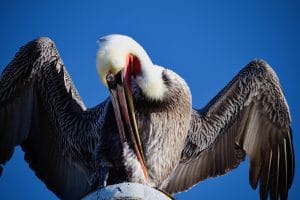
Technology and a Bird of Prey
Technology and Access to Information
In the 15th century, Gutenberg’s Printing Press emerged, and it opened access to books and generally information. The Printing Presses opened in 110 cities across six different nations (Postman, 1993). This invention was instrumental in generating printed materials. These items could be published much more quickly than in the past with text that was placed, for example, on wood and paper.
The Printing Press helped to make printed materials less costly and more readily available to people. Especially, when in the past, materials mainly comprised handwritten texts (Pizzeghello & Sarka, 2024; Postman, 1993). In turn, literacy rates improved. People with access to printed materials had opportunities to become better informed. Moreover, power imbalances were lessened, between private individuals and institutions, such as church and state. However, to drive institutional modifications, people often need to be receptive to attitudinal change and physically adopt emergent technology.
Technology and Social Change
Nonetheless, Gutenberg’s Printing Press contributed to significant social changes. One of the impacts was to lessen knowledge divides between individuals and established institutions. Notably, paper needed to be produced and wood was heavily in demand. However, the indigent still struggled to gain access to print-based products. Conditions for people ranging from readers to textile workers continued to be challenging.
Few approaches involving humans and human inventions ranging from Johannas Gutenberg’s Printing Press to the Spinning Jenny are without their strengths and limitations (Klimburg, 2018; Marsh, 2000). Inventions often do not emerge in scientific vacuums. Science can evolve over time. Conceivably, a type of printing system, existed one and a half centuries earlier in China (Staples, 2023).

The 15th to 18th Centuries
The Witch Hunts
During the era spanning the 15th to the 18th centuries about 100,000 humans, predominantly woman, who lived in Europe and the United States were subject to persecution (Cawthorne, 2003). During this time, tens of thousands of humans were subject to torture and execution. This era was shaped by geopolitical and social upheaval. To lessen situations involving majority tyranny and extreme utilitarianism, the implementation of checks and balances is essential. Safeguards for human rights that acknowledge the dignity of every individual serve as a mechanism to maintain and extend balance within society. Biases and disadvantages manifest in various forms, both overt and subtle.
An Account of Persecution
Cawthorne, is a freelance writer, who provided an historical account about persecution in such countries as Colonial America, England, Finland, France, Germany, Spain, Italy, Scotland, Norway, and Hungary. Cawthorne (2003) commented that legislation was drafted during the reign of Elizabeth 1. These laws were designed to address the witchcraft allegations and not less than 82 people were executed. Cawthorne referred to witchcraft and mentioned that the total number of deaths in England, linked to witchcraft, was about 1000. Cawthorne pointed out that in the then England and Colonial America torture was prohibited.
Alleged Witchcraft in Colonial America and France
Cawthorne (2003) referred to New England in 1692, a year in which small pox was prevalent. Moreover, in 1692 France and Britain were engaged in armed conflict and piracy was a challenge. People who were suspected of witchcraft lived on “the fringes of society” (Cawthorne, 2003, p. 14). However, even the judiciary and law enforcement were not immune from persecution.
Cawthorne (2003) referred to France and wrote that ecclesiastical and civil courts received thousands of confessions. Children were placed under pressure to alert the authorities about their parents’ alleged suspicious activities. The financial burden of the administrative processes, linked to the witchcraft trials, was placed upon the accused, who often had their properties confiscated.
Immanuel Kant and Human Reason
Immanuel Kant (1724-1804) was a German philosopher who contributed to the broader framework of the Enlightenment with his metaphysical, epistemological, and deontological theories (Wluchow, 2003). Kant’s works are grounded in moral reasoning. His writings have stood the test of time and are a compelling consideration today. The Enlightenment, which took place mainly in the 17th and 18th centuries, centred on reason, nature, the roles of science and commerce, and human existence (The British Museum, 2025).
Wagman (1993) referred to logic and psychology. Wagman mentioned that Darwin’s work critiqued a philosophical foundation, whereby humankind, is considered to be defined by rational thought. Charles Darwin and Sigmund Freud, suggested that the human psyche is fashioned, for instance, by the need to survive, and adapt to changing environments. Emphasis on rationality could contribute to compulsive behaviours. Wagman (1993) mentioned cognitive science and AI, and their implications for cognitive psychology, including creativity. Most human interventions have benefits and limitations attached.
Kant and the Categorical Imperative
Kant linked the categorical imperative with humans acting morally (Dworkin, 2004; Waluchow. 2003). He asserted that morality is shaped by general normative propositions. For Kant, the human essence is anchored on the capacity to reason. This understanding acts as a cornerstone of moral laws. Human conduct is generally governed by laws that are shaped, for instance, by customs and benchmarks. Kant posited that the laws are based on human reason, rather than emotions or behavioural outcomes per se (Silverman, 1999; Weisgerber, 1988; Waluchow, 2003). Kant posited that the correctness or otherwise of moral decisions did not extend to incorporate the anticipated consequences of actions. The art of crystal ball gazing is inexact when it comes to matters of human dignity!
What is Human Dignity?
Dignity includes varying types ranging from social status to intrinsic worth (Kao & Graham, 2024). Generally, individuals do not have all the same biological, psychological, and social characteristics, nor do they often share the same exact personal histories. Furthermore, they broadly do not inherit precisely the same family or agency structure, nor undergo cloned life transitions. Moreover, while individuals may experience empathy and perceive themselves in the positions of others they are not them. This relational link could lack impartiality and is often impacted by context. There are individual differences!
The individual is an entry point for human systems. To uphold and extend human dignity, a pivotal measure is to recognize others’ human rights. Civil liberties incorporate, for instance, dignity, intrinsic worth, physical safety, due process, equal protection, freedom of expression, and political involvement (Alston & Goodman, 2013). Each person has worth, irrespective of their involvement in formal employment. As Alston and Goodman (2013) posit, “Everyone is envisioned as uniquely valuable in himself” (p. 148). Key approaches implementing human rights are to regard them as universal or shaped by historical and cultural influences. Moreover, valuing individuals is critical and can be a substantive means to improve people’s living conditions.
Each person’s dignity is ideally an end in itself, rather than solely a means to meet a particular goal. Each individual is often a rational thinker who can be self-determining. A person may offer perspectives that are unique. This has implications for the ways in which an individual engages with external social, environmental, legal, and technical environments. Legal subsystems can act as a partial guides for consistent and predictable, if not identical, rational decision-making. Ultimately frameworks would uphold respect for persons.
Duty Calls!
Kant recognized the importance of carrying out universal duties, rather than basing decisions only on the consequences of human actions, or emotions, including fervent ones. This awareness influences human understanding about how the laws are created, managed, adopted, and at times circumvented. For instance, The First Amendment ordinarily safeguarded a person’s right to speak, despite what a state viewed, as being desirable, or warranted (Kao & Graham, 2024; U.S. Const. amend. I). Individuals and collectives can each contribute to dialogue, potentially bringing balance to the great mosaic of human life! AI can both enable and deplete human dialogue and this is often influenced by people in particular situations. Let us now visit Australia to a time when an expeditionary force answered the call. This expedition landed on the Queensland coast.

This memorial commemorates a milestone event in Australia. In the year 1770, botanist Joseph Banks and Lieutenant James Cook, disembarked on the Queensland Coast (Queensland Government, 2025). Technology was applied to bring you to this landing place.
The Spinning Jenny
The Spinning Jenny is a technology that transformed the social division of labour; mainly in Britain (Allen, 2007). However, Editor (n.d.) posited that the Spinning Jenny became a milestone in the textile industry. Moreover, the circumstances surrounding this invention showed how people can be threatened by new ideas. People might think that inventions and novel practices are a threat to their financial survival. For example, it was reported that James Hargraves (1721-1765), who created the Spinning Jenny, needed to escape. He was said to have fled from local hand spinners who were concerned that they may not be able to financially cope with this invention (Editor, 1957).
The Spinning Jenny transformed the industry giving rise to mass textile production. Subsequently, it contributed to substantive change from labor-intensive agricultural societies to industrialized ones. This trend impacted the social division of labor, ushering in changed human settlement patterns. Settlement was shaped by urbanization and evolving economic systems. Eventually, contemporary societies emerged. However, life in industrialized societies may became a repository of crime, violence, and disease. The indigent did not live in the same locations of the city as those who had greater access to resources. Shrobe, et al, (2017) commented that accelerating population proliferation and urban sprawl have ushered in substantive societal and environmental challenges. These range from congested traffic and pollutants, to water and food of questionable quality.
Technological Milestones
In the 1840’s Lady Ada Lovelace focused more on figures and logic, rather than machine learning (Boden, 2018). Alan Turing (1912-1954) was a mathematician and a contributor to computer science. Turing demonstrated how each mathematical calculation can be performed by a technological system. AI and technology generally have ushered in waves of change, reflecting previous technological transformations. For example, including Gutenberg’s Printing Press and the Spinning Jenny. Each of these inventions served as change agents adding to social, economic, and cultural transformations. For instance, the Printing Press and textile machinery shaped human comprehension and economic power.

Toward Informed Human Factor Inquiry
As scientific endeavours strengthened, the age of the witch hunts ebbed. Notably, Hansson (2025) referred to nations whose system of government reflected “competitive authoritarianism”. Under authoritarian regimes, scientific inquiry can be neglected and even discouraged. Power and control may be exerted by exerting force over the persecuted.
Hansson (2025) mentioned how from January 20, 2025 “tens of thousands” of government scholars have been dismissed. For example, research with a focus on climate-change has been adversely impacted. Dickie (2025) indicated that a lease linked to a leading international greenhouse observatory in Hawaii, along with another 20 or more centres, could lose their funding. This may be a means to reduce the budget for climate-related projects.
Artificial Intelligence and Administrative Processes
Administrative functions include the safeguarding of privacy and intellectual property rights, and their role in counselling, mediation, the arts, and supports (McLean, 2002). When huge data sources are mined for information the limits of the Internet are revealed. Data extraction can be linked to covert surveillance (Boden, 2018). Moreover, Klimburg (2018) recognized conflict and challenges with online activities and virtual space.
AI could be a means to open up access to services and expertise. This trend can make generative support more readily available, limiting bottlenecks in human services, shaping society as it comes to terms with the accelerated pace of change. As with massive changes in the past, it is pivotal to balance opportunities and threats, and strengths with weaknesses. This in turn, can help to engender such factors as inclusivity, fairness, responsible geopolitical, and environmental change.

check-ins, drawing on calming ocean audiovisuals and sounds.
RUDIMENTARY SECURITY MEASURES
Sample security measures that could help to lessen incidents where you are targeted include the following.
- Frequently update software on your computer interfaces.
- Regularly revise your passwords with unique and solid ones.
- Set up, for example, captcha software.
- Take care when you access Free Wifi and have antivirus software installed.
AI could be subject to Denial of Service attacks. Whereby, actors maliciously disrupt ordinary computers, servers, or networks immobilizing them with a mass of traffic or data. This process can cause these systems to be disrupted becoming inaccessible, slowed down, or generally to fail. Moreover, AI may become a target for a Distributed Denial of Service involving multiple corrupted systems that play a part in transmitting too many messages, overcapacity packets, and the like.
Individual and Societal Constructions of Realities
AI and technological services could be stretched beyond their capacities, particularly during personal, geopolitical, environmental, and health crises. The COVID- pandemic revealed how well-established healthcare systems can be swamped. Access to vaccinations and human interventions highlight health inequities and vulnerable populations experience substantive risks. AI requires resource-intensive supplies of electricity and this impacts grid stability; contributing to whole systems being immobilized.
Depending upon the personal and social perspectives, AI may solely imitate or enrich counselling processes. Nonetheless, AI can help the counselled to make meaning of challenges, such as human perspectives, on technology and immunization, disillusionment and disjuncture. Just as AI can create resource-intensive demands it may also be part of the solutions; optimizing assistance processes.
Artificial Intelligence and Immunizations
Artificial Intelligence is a means to track and log disease outbreaks. Immunization is an approach that can annually save millions of lives (World Health Organization, 2025). Vaccines could help to address disease-related challenges and optimize the body’s biological defences. They may protect not only individuals, but, also the people with whom they come in contact. When people are vaccinated they have opportunities to enhance their personal immune systems, becoming better placed to lessen the risks of pathogens. The World Health Organization (2025) reported that it had access to vaccines for more than 30 life-threatening diseases and infections. People of varying ages can have help to live long and meaningful lives.
Annually, immunization could prevent approximately 3.5 to 5 million deaths across the planet from diseases like diphtheria, tetanus, pertussis (whooping cough), influenza, and measles (The World Health Organization, 2025). This reduction in deaths is reported to have been linked to widespread vaccination programs.
FROM PATHOGENS TO IMMUNIZATIONS
When there are gaps in early intervention, outbreaks occur, and contribute to human suffering. People decline, as counsellors and other practitioners and scholars, may work against the clock to assist them in making decisions, as to whether, to have vaccinations. This task becomes even more demanding when there is a lack of resources to limit devastating pathogens. The lack of regular access to medicines may contribute to early and premature deaths, including children, the aged, first responders, and those with autoimmune diseases. AI can be instrumental in tracking occurrences, and demands for vaccinations, facilitating their timely and effective production.
Vaccine Refusal and Misinformation
Misinformation regarding the merits of vaccinations may contribute to decreases in public acceptance. For instance, Wang (2023) asserted that misinformation regarding COVID-19 vaccines constitutes a significant threat to public health. Wang recognized the possible benefits of vaccinations and psychological messaging to lessen the negative impacts of misinformation.
THREE FACTORS CONTRIBUTING TO VACCINE REFUSAL
Moola et al. (2021) identified key factors that contribute to low acceptance rates for COVID vaccinations. These are as follows:
- Concerns regarding the rapid development of vaccinations and their safety.
- Extensive misinformation about the efficacy of COVID-19 vaccines.
- Public mistrust of state institutions.
Vaccine Acceptance and Psychological Messaging
Bitar et al. (2021) conducted a study examining COVID acceptance rates in four cities in Yemen. The study sample consisted of 484 participants, approximately 60% of whom were male and held university degrees. These participants had a monthly income exceeding $100. They had received misinformation incidents spanning from 8.9% to 38.9%. Markedly, women who participated in the study had a lower income than their male counterparts. When offered free vaccinations, 61.2% of participants accepted them. However, when participants needed to pay for vaccinations, the acceptance rate declined to 43%. This study suggests that there are benefits to providing free vaccinations. AI is a driver to communications and it could be instrumental in lessening misinformation.
VACCINE ACCEPTANCE AND EDUCATION AND TRAINING
A possible step to begin to address misinformation and its negative impacts on vaccine acceptance is to enhance educational and training efforts. The curriculum would include the advantages and disadvantages of vaccinations, so that individuals can make informed choices about their merits. People who elect to have vaccinations should have ready access to them. By incorporating such proactive strategies, resources can be conserved, preferably before whole populations experience the consequences of infectious agents.
Artificial Intelligence can be a means to deliver education and training to the populace. For instance, this tuition could cover the advantages and disadvantages of vaccines. However, key challenges linked to AI include privacy, security, loose protections for copyright, and demands on planetary environmental systems. Furthermore, AI limitations include uncertainty, misinformation, disillusionment, and a flagrant disregard for intellectual property rights (Bates, 2000).
Artificial Intelligence: Friend, Foe or Both?
AI and technology are means to safeguard and support human life, maintaining or extending interrelationships, or concurrently overwhelming autonomous expression. Individuals could benefit from technological support to retain motivation, and help to think independently. AI and technology can be applied to enhance wellbeing and inclusion, even in the face of incredible odds.
AI potentially transcends barriers associated with time and space. However, technology can constrain physical, psychological, and spiritual ideas; contributing to world immobilization. AI could give rise to people feeling like they are living in “goldfish bowl”, while being regularly surveilled by technocrats. Moreover, AI can undermine privacy, generating personal and social alienation. In such contexts counselling is a means to accentuate the human in 2025 and beyond.
Artificial Intelligence’s Potential and Challenges
Leveraging AI to improve objectives in counselling and mediation has much potential and also great risk. AI can empower or disrupt industry. Via AI the counselled are able to:
- Access services from counselling, to mediation, and support.
- Deploy technology to schedule events and analyze data.
- Receive support “24/7”, including mood evaluation and tracking.
The counselled, when engaging with AI alone, may experience the following kinds of challenges:
- A lack of privacy.
- Inappropriate advice.
- An absence of emotional intelligence and sentience.
- Information that does not contain human judgement, customization, controlled emotional involvement, and cultural grounding.
ARTIFICIAL INTELLIGENCE AND ENERGY DEMANDS
Just as AI can have resource-intensive needs, it may also play an active role in problem-solving. AI could help to bring human factor costs down, for example, by engendering mixed frameworks, including economies of scale. Moreover, AI may help to make services ranging from counselling to mediation more accessible. However, AI is not a panacea for all manner of harms.
GENERATIVE ARTIFICIAL INTELLIGENCE AND DATA COLLECTIONS
Generative AI, for example, is trained based on substantive data sets. This technology could have a hand in creating a more fair and responsible system of governance and innovation. Over time, Generative AI often acquires the means to identify patterns, interpret spoken language and images. As this technology undertakes tasks, it interacts with both humans and other machines.
On a Cautionary Note
AI including generative does not provide exhaustive remedies and calls for immense energy with limited planetary resources. Fouche (2017) posited:
“From individual devices to vast infrastructure systems, humanity continues to pour massive amounts of physical and mental energy into the design, creation, construction and distribution of technologies” (p. 495)
Preferably human factor services will benefit both people and collectives. It is conceivable that technology will continue to reflect human existence. Blending AI and counselling to augment productive and harmonious human relationships presents some practical challenges, including natural resource demands. Nonetheless, AI is being applied in counselling, and its application has both potential limitations and benefits. People, as holistic human and environmental systems could work together generating harmony. They may dedicate themselves to emergent methods of knowing. The commercial use of technology frequently outpaces the regulatory environment; giving rise to risks and opportunities.
ARTIFICIAL INTELLIGENCE CREATOR, DESTROYER, OR BOTH?
Emphasis in this webpage was on AI use and misuse; including in counselling. This has implications for counselling, mediation, and human factor services generally. Ideally, as resilient computer networks progress, they can anticipate end user needs and wants while automatically limiting, or blocking unwanted transmissions; for example, giving rise to Denial of Service and Distributed Denial of Service attacks.
When the counselled vents to AI it seems to lack the capacity to process human qualities. These human aspects include sentience and the capacity to authentically feel empathy. These elements have a part to play in lessening human suffering. When blending AI with counselling it is essential to understand and learn more about benefits and risks. For instance, when sensitive personal information is confessed to AI and other technological tools there is a risk that information may be misused, including being held out to ransom. Furthermore, over time the counselled may come to regard AI, as being human-led and human-centred, when instead the boundaries between humans and machines are becoming blurred. This in turn, could give rise to dependencies and actions that are directed by AI.
In Closing
This webpage began with an outline of AI and examples of its foundational characteristics. Subsequently, the link between AI and human decision-making, voices and demands, freedoms of expression and thought, and their applications in counselling environments was noted. Following this, the challenges associated with AI were discussed, such as the difficulties in fulfilling consumer requests with limited resources. The digital divide marginalizes people who lack sufficient access, training, or technological proficiency. Next, the energy requirements of AI, the broad AI landscape, its scope, and illustrative examples of regular life applications were presented.
Optimizing Sustainable Energy
The discussion in this webpage, also included fundamental renewable energy sources, and strategies to lessen AI’s environmental impact. Historical instances of technology and AI were incorporated. Next, AI’s key functions in administrative processes were given. The potential of AI to help make advancements in supporting oceans to be sustainable and vaccination development was also explored. Moreover, wave technology may incorporate AI. This webpage concluded with a reflection on different opportunities and limitations that AI introduced.
The contents of this webpage can be an entry point for readers to explore and critically assess the value of AI and its potential in counselling and broader life contexts. Furthermore, it is likely to have implications for mediation, and other human factor services, weighing their utility, and acknowledging AI’s limits. AI brings meaningful benefits, however, it also has substantial energy demands. Balancing innovation with sustainable practices and convenience, while optimizing efficient models, greener data hubs, and renewable energy is critical. AI impacts biological, psychological, social, economic, and legal dimensions. Technology is a means to tackle issues and develop solutions. However, there are shortfalls including misinformation and propaganda.
References
A
Abrams, B. (2022). The Rise of Despotic Majoritarianism. Democratic Theory, 9 (1). Berghahn.
https://www.berghahnjournals.com/view/journals/democratic-theory/9/1/dt090105.xml
Akhtar, M. , Nehal, N., Gull, A., Parveen, R., Khan S, Khan, S. & Ali, J. Explicating the transformative role of artificial intelligence in designing targeted nanomedicine. Explicating the transformative role of artificial intelligence in designing targeted nanomedicine. National Library of Medicine.
https://pubmed.ncbi.nlm.nih.gov/40321117/
Allen, R. (2007). The Industrial Revolution in Miniature: The Spinning Jenny in Britain, France, and India. IDEAS Working Paper Series from RePE.
Alston, P. & Goodman, R. (2013). International Human Rights. The Successor to International Human Rights in Context. Oxford.
Ardia, D., Ringel, E., Ekstrand, V.S., & Fox, A. (2025). Addressing the decline of local news, rise of platforms, and spread of mis- and disinformation online. Center for Information Technology, and Public Life.
https://citap.unc.edu/news/local-news-platforms-mis-disinformation/
Ashley, K.D. (2017). Artificial Intelligence and Legal Analytics. New Tools for Law Practice in the Digital Age. Cambridge.
The Australian Copyright Council (2025, May). Photography & Copyright.
https://www.copyright.org.au/browse/book/ACC-Photography-&-Copyright-INFO011
The Australian Institute of Criminology (2024). Cybercrime in Australia.
https://www.aic.gov.au/statistics/cybercrime-australia
Australian Renewable Energy Agency (2025). Perth Wave Energy Project. Australian Government.
https://arena.gov.au/projects/perth-wave-energy-project/
B
Baase, S. (2003). A Gift of Fire. Social, legal, and ethical issues for computers and the internet (2nd Ed.). Pearson Education.
Bambara, J.J. & Allen, P.R., Iyer, K, Madsen, R., Lederer, S. & Wuehler, M.(2011). Blockchain. A Practical Guide To Developing Business, Law, and Technology Solutions. McGraw Hill Education.
Bates, A.W. (2000). Managing Technological Change. Strategies for College and University Leaders. Jossey-Bass.
Bates, G. (2006). Environmental Law in Australia (6th Ed.). LexisNexis.
Berger, V. (2024, December 30). AI’s Impact On Music In 2025: Licensing, Creativity And Industry Survival. Forbes.
https://www.forbes.com/sites/virginieberger/2024/12/30/ais-impact-on-music-in-2025-licensing-creativity-and-industry-survival/
Bitar, A.N., Zawiah, M, Al-Ashwal, F.Y., Kubas, M.; Saeed, R.M., Abduljabbar, R., Ammar, A.S. J., Syed , A.S.S., Amer, H.K. (2021,October 29). Misinformation, Perceptions Towards COVID-19 and Willingness to be Vaccinated: A Population-Based Survey in Yemen. PLoS One, 16 (10). PubMed.
https://pubmed.ncbi.nlm.nih.gov/34714827/
Blue Economy Cooperative Research Centre (2025). Ocean Wave Energy in Australia.
https://blueeconomycrc.com.au/project/ocean-wave-energy-in-australia/
Boden, M.A. (2018). Artificial Intelligence. A Very Short Introduction. Oxford.
The British Museum (2025). Enlightenment.
https://www.britishmuseum.org/collection/galleries/enlightenment
C
Canadian Centre for Cyber Security (2025, January 9). Report a cyber incident.
https://www.cyber.gc.ca/en/incident-management
Carnegie Clean Energy (2025). Our Technology. Harnessing the Ocean’s Power..
https://carnegiece.com/ceto-technology/
Cawthorne, N. (2003). Witch Hunt. History of a Persecution. Arcturus.
Collins, R. (2011). Content online and the end of public media? The UK, a canary in the coal mine? Media, Culture and Society, 33(8), (pp. 1202-1219).
https://openaccess.city.ac.uk/id/eprint/3892/1/Content%20online%20and%20the%20end%20of%20public%20media.pdf
The Commonwealth Scientific and Industrial Research Organisation (CSIRO) (n.d.). Wave Energy in Australia.
https://www.csiro.au/en/research/natural-environment/oceans/wave-energy
Corera, G. (1988). Intercept. The Secret History of Computers and Spies. Weidenfeld and Nicolson.
CorPower Ocean (2025). Wave energy ‘key player’ for Australia to reach Net Zero.
https://corpowerocean.com/wave-energy-key-player-for-australia-to-reach-net-zero/
D
Davidson, S. (2025, January 28). The Growth of AI Law: Exploring Legal Challenges in Artificial Intelligence. National Law Review.
Davison, J. (2025, March 23). Amid Trump’s annexation threats, King Charles sends signals of support for Canada. CBC.
Canadian Broadcasting Corporation.
https://www.cbc.ca/news/world/royal-symbolism-canada-king-charles-playlist-1.7488571
Dickie, G. (2025, March 11). Trump cuts target world-leading greenhouse gas observatory in Hawaii. Reuters.
Dworkin, R. (2004). Taking Rights Seriously. Duckworth.
E-F
Editor (1957, July 15). Hargraves and the Spinning Jenny: A Memorial Garden. The Manchester Garden (1901-1959) 12.
Editor (2010, May). Photos of shark victim underscore threat from cell phone cameras. Ed Management.
Editor (2011, August 11). Virginia Tech Launches AI-Powered Shark Monitoring Database. Quantum Zeitgeist.
https://quantumzeitgeist.com/virginia-tech-launches-ai-powered-shark-monitoring-database/
Editor (2018, March). HIPAA Restricts Some Photography, but Not All. Healthcare Risk Management, 40, (3).
Editor (n.d). Industrial Revolution. Britannica.
https://www.britannica.com/technology/spinning-jenny
Editor (2025, September 6). Experienced surfer and dad dies in shark attack on Sydney’s Northern Beaches. ABC News. https://www.abc.net.au/news/2025-09-06/sydney-surfer-dies-in-shark-attack-long-reef-northern-beaches/105743246
Energy rates.ca (2025). AI Energy Use: Why Does Artificial Intelligence Use so Much Electricity?
https://energyrates.ca/ai-energy-use-why-does-artificial-intelligence-use-so-much-electricity/
European Commission (2025, April 4). Cybersecurity.
https://digital-strategy.ec.europa.eu/en/policies/cybersecurity
Farrier, D. & Stein, P. (2006). Environmental Law Handbook (4th ed.). Redfern Legal Centre.
Feng, M., Weller, E., & Hill, K. (2009). The Leeuwin Current. Marine Climate Change in Australia. Impacts and Adaptation Responses. 2009 Report Card.
Feng, M., Bui, T., & Benthuysen, J.A. (2025, May 13). Seasonal Climatology of the Leeuwin Current-Capes Current System Off Southwest Australia From Long-Term Moored Observations. JGR Oceans, 130 (5).
https://agupubs.onlinelibrary.wiley.com/doi/full/10.1029/2025JC022662
Florida Museum (2025). How to Avoid Shark Attacks.
https://www.floridamuseum.ufl.edu/discover-fish/sharks/how-to-avoid-shark-attacks/
Fouche, R. (2017). Sociotechnological (Re-) configurations. In Felt, U. Fouche, R., Miller, C.A., & Smith-Doerr, L. (2017). The Handbook of Science and Technology Studies (4th Ed.), (pp. 495-499).
Froomkin, M.A. (2000). The death of privacy? Stanford Law Review, 52 (5).
https://www.jstor.org/stable/1229519
GE-GL
Geist, M. (2002). Internet Law in Canada. (3rd Ed.). Captus.
Ginsberg, T. (2023). Having a king like Charles is a good defense for democracy. Los Angeles Times.
https://www.latimes.com/opinion/story/2023-05-04/king-charles-coronation-monarchy-defense-against-demagogues
Global Affairs Canada (2013, February 28). Agreement on Trade-Related Aspects of Intellectual Property Rights (TRIPS) and status of current World Trade Organization negotiations.
https://www.international.gc.ca/trade-agreements-accords-commerciaux/topics-domaines/ip-pi/trips-adpic.aspx?lang=eng
GO-GU
Government of Canada (n.da). Trade Agreement Between the Government of Canada and the Government of the Commonwealth of Australia.
https://www.treaty-accord.gc.ca/print-imprimer.aspx
Government of Canada (n.db). Agreement on Trade and Economic Co-operation Between the Government of Canada and the Government of New Zealand.
https://www.treaty-accord.gc.ca/text-texte.aspx?id=101178
Government of Canada (2023, May 23). Copyright – Learn the basics Protect your original works. Learn why copyright matters. Canadian Intellectual Property Office.
https://ised-isde.canada.ca/site/canadian-intellectual-property-office/en/copyright-learn-basics/copyright-learn-basics-protect-your-original-works-learn-why-copyright-matters
Government of Canada (2023, August 28). CPTPP partner: Australia.
https://www.international.gc.ca/trade-commerce/trade-agreements-accords-commerciaux/agr-acc/cptpp-ptpgp/countries-pays/australia-australie.aspx?lang=eng
Government of Canada (2025). Comprehensive and Progressive Agreement for Trans-Pacific Partnership (CPTPP).
https://www.international.gc.ca/trade-commerce/trade-agreements-accords-commerciaux/agr-acc/cptpp-ptpgp/index.aspx?lang=eng
Government of British Columbia (2024, June 27). Powering Our Future: BC’s Clean Energy Strategy. https://www2.gov.bc.ca/gov/content/industry/electricity-alternative-energy/powering-our-future
Government of South Australia (2024, September 9). Ancient predator meets modern technology. We are.SA.
https://www.weare.sa.gov.au/news/ancient-predator-meets-modern-technology
Gov.Uk (2021, January 4). Guidance Copyright notice: digital images, photographs and the internet.
https://www.gov.uk/government/publications/copyright-notice-digital-images-photographs-and-the-internet/copyright-notice-digital-images-photographs-and-the-internet#what-is-a-copyright-notice
Guy, T.C. (2005). Adult Education and the Mass Media in the Age of Globalization. In Merriam, S.B., Courtenay, B.C, Cervero, R.M. (Ed.) Global Issues and Adult Education. Perspectives from Latin America, Southern Africa, and the United States (Eds.) (pp. 64-78). Wiley.
H-I
Hansson, S.O. (2025, June 5). The Demolition of American Science. Theoria 91 (3).
https://doi.org/10.1111/theo.70026
Harabut, C. (2017). The Role of Smart Renewable Energy Regulation for Sustainable Development: The Case of Solar Electricity in Thailand. ProQuest Dissertations and Thesis.
Hasan, S. (2025). An insight on the role and response of International Maritime Organization and classification societies in regulating maritime autonomous surface ships. International Maritime History Association, 37 (2).
https://journals.sagepub.com/doi/10.1177/08438714251325206
Hawley, M.C. (2016). Individuality and hierarchy in Cicero’s De Officiis. European Journey of Political Theory, 19 (1).
https://journals.sagepub.com/doi/10.1177/1474885116657693
J-K
Jacobs, E. & Martinez, A. (2025). King Charles visits Canada in show of support for the country’s sovereignty. NPR. National Public Radio.
https://www.npr.org/2025/05/27/nx-s1-5412361/king-charles-visits-canada-in-show-of-support-for-the-countrys-sovereignty
Kao, E. & Graham, A.D. (2024, Summer). 303 Crative LLC V. Elenis and Human Dignity.
Texas Review of Law and Politics, 28, (3). Supreme Court of the United States.
https://www.supremecourt.gov/opinions/22pdf/21-476_c185.pdf
Kenfack, A.Z. Kemle, S.T., Nematchoua, M.K. Chara-Dackou, V.S. Elie Simo, Temene, H.D. (2025). Design of a meta-heuristic artificial intelligence (AI) model for an optimal photovoltaic module cooling system. Discover Applied Science, 7, 269.
https://link.springer.com/article/10.1007/s42452-025-06696-w
Klein, J (2022, April 6). ‘Single shaming’: Why people jump to judge the un-partnered. BBC News. British Broadcasting Corporation.
Klimburg, A. (2018). The Darkening Web. The War for Cyberspace. Penguin.
Krotoski, A. (2010, 24 January). Focus: Culture: Democratic, but dangerous too: how the web changed our world: In two decades, the world wide web has become the most powerful information tool since Gutenberg’s printing press. But Aleks Krotoski, presenter of a major BBC series on the history of the net, argues that it has become intrusive and threatening. The Observer.
L
Ladyzhensky, A. (2022, March 18). Public media can improve our ‘flawed’ democracy. Penn Today.
https://penntoday.upenn.edu/news/asc-public-media-can-improve-our-flawed-democracy
Lim, Y. F. (2007). Cyberspace Law. Commentaries and Materials (2nd Ed.). Oxford.
Lowne, C. (2025). Nineteen Eighty-four. Brittanica.
https://www.britannica.com/topic/Nineteen-Eighty-four
Lehhmann- Haupt, H.E. (2025, June 1). Johannes Gutenberg. Britannica.
https://www.britannica.com/biography/Johannes-Gutenberg
Lerch, A. (2021). The Judicial Law-Making Function and a Tort of Invasion of Personal Privacy. Sydney Law Review, 43 (2).
https://www.austlii.edu.au/cgi-bin/viewdoc/au/journals/SydLawRw/2021/6.html
Lipton, J.D. (2010, March). “We, the Paparazzi”: developing a privacy paradigm for digital video. Iowa Law Review, 95 (3).
Lyster, R. & Bradbrook, A. (2006). Energy Law and the Environment. Cambridge.
Lyster, R., Limpan, Z., Franklin, N., Wiffen, G. & Pearson, L. (2007). Environmental & Planning Law in New South Wales. Federation Press.
MA-MC
Maimann, K. (2013, July 13). Musicians fight uphill battle as AI infiltrates streaming platforms, cutting into royalties. CBC News. Canadian Broadcasting Corporation.
https://www.cbc.ca/news/entertainment/musicians-ai-bands-streaming-1.7581400
Margaret River Region (2021). The Mystery of Leeuwin-Naturaliste National Park.
https://www.margaretriver.com/things-to-do/attractions/nature-wildlife/the-mystery-of-leeuwin-naturaliste-national-park/
Marsh, P. (2000, May 18). Inventor of the printing press Johannes Gutenberg’s Legacy. The Financial Times.
Matei, S.C., Olariu, S., Ungureanu, A.M., Malita, D., Petrascu, F.M. (2025) Does Artificial Intelligence Bring New Insights in Diagnosing Phlebological Diseases?—A Systematic Review. Biomedicines 7613 (4).
https://www.mdpi.com/2227-9059/13/4/776
McDonald, B. (2023, October 13). AI is an energy hog. CBC Radio. Canadian Broadcasting Corporation.
https://www.cbc.ca/radio/quirks/ai-energy-consumption-1.6995014
McFall-Johnson, M. (2024, February 16). Oppenheimer’s famous quote ‘I am become Death’ isn’t really his. The ominous words come from Hindu scripture. Business Insider.
McKeough, J., Bowrey, K. & Griffith, P. (2007). Intellectual Property. Commentary and Materials. Lawbook Company Casebook.
McLean, D. (2002, March). Privacy and section 1983 of the federal civil rights law. Communications and the Law, 24 (1).
MO-MI
Moola, S., Gudi, N., Nambiar, D; Dumka, N., Tarannum, A., Sonawane, I.R.; Kotwal, A. (2021). A rapid review of evidence on the determinants of and strategies for COVID-19 vaccine acceptance in low- and middle-income countries. Journal of Global Health, 11. PubMed.
https://pubmed.ncbi.nlm.nih.gov/34912550/
Milosevic, M. (2023). Media independence and sustainability. Government of Canada.
https://www.myallsearch.com/search?engine=1&q=the+decline+of+public+media
N-O
Natural Resources Canada (2024, December 20). Ocean energy.
https://natural-resources.canada.ca/energy-sources/renewable-energy/ocean-energy
Orwell, G. (1951). The Penguin Novels of George Orwell. Penguin.
Ovsyanikova (2022, January 2) Using Technology to Support Conservation Outcomes. Protected Magazine
P
Padmanabhan, A. (2025, June). Abandoning Deportation Adjudication. Stanford Law Review, 77 (6). Stanford Law School.
https://www.stanfordlawreview.org/print/article/abandoning-deportation-adjudication/
Pauls, M.A. (2019, July). Using personal mobile devices to record patient’s medical information – Doing the right thing in the wrong way? CJEM: Journal of the Canadian Association of Emergency Physicians, 21 (4).
Pizzeghello, M. & Sarka, F. (2024). The Evolution of Printing: A Journey of Technological and Social Progress. Design of Machines and Structures, 14, 1, (pp. 52–60).
https://ojs.uni-miskolc.hu/index.php/dms/article/view/3283/2293
Postman, N. (1993). Technopoly. The Surrender of Culture to Technology. Vintage.
Prensky, M. (2011). Do they really think differently. In S. Johnson, N. Carr, D. Tapscott, Jackson, M,, Shirky, C. & Gitlin, T. The Digital Divide. Arguments for and Against Facebook, Google, Texting and the Age of Social Networking (pp. 12-26). Penguin.
Q-R
Queensland Government (2025). Joseph Banks Conservation Park. Gladstone. Tourism and Events: Queensland.
https://parks.desi.qld.gov.au/parks/joseph-banks
Reilly, L. & Stelter, B. (2025, August 1). Corporation for Public Broadcasting will shut down after Trump funding cuts. CNN Business.
https://www.cnn.com/2025/08/01/media/trump-cpb-corporation-public-media-shuts-down
Rogers, A. & Hill, J. (2014). Unmanned. Drone Warfare and Global Security. Pluto.
Shrobe, H, Shrier, D.L., & Pentland, A. (2017). New Solutions For Cybersecurity. MIT.
S
Silverman, D. (1999). Interpreting Qualitative Data. Methods for Analysing Talk, Text and Interaction (2nd Ed.). Sage.
Smith, H. (2025). After four fatal shark attacks in eight years, Esperance locals call for action. ABC News. Australian Broadcasting Corporation.
Staples, K. (2023, January 26). Print is Far From Obsolete. Editor & Publisher, 58-59.
https://www.editorandpublisher.com/stories/print-is-far-from-obsolete,241894
Statistics Canada (2016, October 7). International Perspective.
https://www150.statcan.gc.ca/n1/pub/11-402-x/2012000/chap/geo/geo01-eng.htm
T
Tegmark, M. (2017). Life 3.0 Being Human in the Age of Artificial Intelligence. Vintage.
Toffler, A. (1984, June 1). Future Shock. Ballantine Books.
Torres, P. (2018). Super intelligence and the Future of Governance. On Prioritizing the Control Problem at the End of History. In R.V. Yampolskiy (Eds.). Artificial Intelligence. Safety and Security (pp. 357-375). Taylor and Francis.
Truu, M (2026, October 26). Federal government rules out changing copyright law to give AI companies free rein. ABC News.
https://www.abc.net.au/news/2025-10-27/labor-rules-out-ai-training-copyright-exceptions/105935740
U
The United Kingdom Copyright Service (2024). United Kingdom Copyright Law. Copyright Witness Ltd.
https://copyrightservice.co.uk/_f/6517/3010/6979/edupack.pdf
United States Copyright Office (n.d). Photographs.
https://www.copyright.gov/registration/photographs/
The United Nations Human Rights Office (2022, July 8). UN expert warns of dangerous decline in media freedom.
https://www.ohchr.org/en/stories/2022/07/un-expert-warns-dangerous-decline-media-freedom
The University of Queensland (n.d.). Blue Economy Cooperative Research Centre (CRC).
https://policy-futures.centre.uq.edu.au/blue-economy-cooperative-research-centre-crc
The University of Western Australia (2024). Australia can be a leader in wave energy – but the time to act is now.
https://www.uwa.edu.au/news/article/2024/october/australia-can-be-a-leader-in-wave-energy-but-the-time-to-act-is-now
U.S. Const. amend. I. Library of Congress
https://constitution.congress.gov/constitution/amendment-1/
Usher, N. (2024). What does a second Trump presidency mean for US public media? Public Media Alliance.
https://www.publicmediaalliance.org/what-does-a-trump-presidency-mean-for-public-media/
W-Y
Wagman, M. (1993). Cognitive Psychology and Artificial Intelligence. Theory and Research in Cognitive Science. Praeger.
Waluchow, W.J. (2003). The Dimensions of Ethics. An Introduction to Ethical Theory. Broadview.
Wang, Y. (2023). Psychological Inoculation Against Vaccine Misinformation: Why and When It Works. College Park ProQuest Dissertations and Theses. University of Maryland.
https://drum.lib.umd.edu/items/d05bc5a7-7708-4019-b1ab-f5eb6e34474c
Weisgerber, R. (1988). Instructional Process and Media Innovation. Rand McNally.
World Health Organization (2025). Vaccines and Immunization.
https://www.who.int/health-topics/vaccines-and-immunization#tab=tab_1
World Trade Organization (n.d.) TRIPS — Trade-Related Aspects of Intellectual Property Rights.
https://www.wto.org/english/tratop_e/trips_e/trips_e.htm
Wyszomierski R.; Bórawsk,i P.; Bełdycka-Bórawska, A. (2025). Competitive Potential of Plant Biomass in Poland Compared to Other Renewable Energy Sources for Heat and Electricity Production. Energies, 18 (8) 1892.
https://doi.org/10.3390/en18081892
Young-Gyu, L., Change-Hee, L., Young-Hun, J., Bae, J.H. (2024). Transformative Impact of the EU AI Act on Maritime Autonomous Surface Ships. Laws, 13 (5).
https://www.mdpi.com/2075-471X/13/5/61
Ⓒ TMCASF