


Learning Objectives
Upon reviewing this blog post, it is anticipated that you will:
- Gain a fundamental comprehension of the connections between counselling and the oceans towards improving your wellbeing and the ecosystems in which we are integrated;
- Learn about factors creating symbiotic relationships between counselling and the oceans;
- Explore the potential of counselling and the oceans in facilitating personal growth and transformation;
- Reflect on how counselling and the oceans, act as positive biological, psychological, and social support; and,
- Discover aspects holistically aimed at encouraging revitalised and positive perspectives on humanity and ecosystems, including the well-being of oceans.
Eagles are mascots of the Pacific Ocean and to view them kindly, see: The Salish Sea, British Columbia. Viewing their grace and majesty can be a touchstone to counselling approaches.
Counselling Processes
Counselling processes can represent a metaphoric voyage across the oceans with some unpredictable twists and turns, filled with unknown depths. These activities are also capable of bringing you to new golden conceptual shores. Human experiences, both personal and social are shaped by the oceans.

The Interweaving of Narratives and Experiences
People in relational situations often share narratives. These stories can be enriched with myths, dreams, and reflections. These accounts elucidate relationships, including those between counselling and the oceans. There is a blurring of boundaries between intercultural connections and natural phenomena, like flowers (Huss, et al, 2025). Fauna can be cultural units of exchange and this idea extends to ocean life. The right to life is a core tenet of international human rights law. Moreover, it carries implications within the maritime domain, including when it is connected to search and rescue activities. Human rights law extends to migrants and refugees at sea, and state responsibilities beyond their territorial waters.
Whales reflect ocean life and inspire a sense of awe and wonder, which could be transported to counselling processes. Click on this link to view diving whales: Nanaimo, Vancouver Island, British Columbia.
Ecological Impacts and Healing
Environmental influences integrating counselling could give expression to our emotions, memories, and reflections. Environmental counselling, incorporates ideas and practices, and the healing power of nature, including the oceans. These provide opportunities to be immersed in natural settings. Subsequently, this facilitates a unique capacity to heal and be to be transformed. You could in such spaces confront and reframe self-defeating thoughts and behaviours. For example, you could benefit from guided imagery and narrative approaches that may draw upon personal ocean-related experiences. You might find that this approach is a conduit to experiencing moments of peace, wonder, or release. Through your connection, the oceans become not just a metaphor, but an active element in the counselling journey.

The Oceans: Combining Metaphor and Counselling
Metaphorically and therapeutically, the components of counselling and the oceans run in parallel with one another. For instance, like the oceans, the human mind and emotions have layers-from surface-level thoughts to deep, unconscious feelings.
Sensory experiences are drawn from the oceans —like their scents, textures, and hues. These can have a beneficial impact on us. For example, when we share our life narratives we can see patterns and tendencies. These sequences may need to be augmented, revised and set aside at particular times.
Ocean Encounters
Maritime experiences may be reflected through metaphors that illustrate our emotional contexts. For instance, the tide could symbolise affective cycles, ebbing and flowing with intensity. Or deep, mysterious ocean waters, which represent the unconscious mind or hidden feelings, waiting to be explored. Counselling can introduce positive interactions and meaningful experiences (Huss, et al., 2025). For instance, emotions may come and go in waves. In counselling, people might learn to symbolically ride emotional waves instead of being overwhelmed by them.

The Oceans: offer spiritual and emotional renewal
Counselling, much like the vastness and mystery of our oceans, can provide profound depth and insight facilitating planetary understanding. People, much like maritime workers who often acquire the skill to interpret the sea, may maneuver through emotional peaks and troughs. Attuning to the sounds of the ocean and observing the wildlife can assist us in recognising the magic of today, while envisioning the promise of tomorrow. Coastal environments offer the sound of the tides, open space, and rhythms, which can facilitate healing.
Memories and Latent Truths
Counselling may provide a holding anchor and assist in navigating tumultuous ocean waters. You might experience plateaus during counselling, feeling as though you are still anticipating the promise of a fulfilling here and now. Healing may occur beneath the surface as you explore various concepts and interact with emerging behaviours. Memories could resurface, allowing you to uncover their newly significant meanings. As you revisit this content, hidden truths and aspects of ourselves may come to light.

Counselling, the Oceans, and Spiritual Links with Nature
Through targeted disclosure you may think about your emotions in different ways learning to forgive others and you. Your spiritual health can be linked to your old stories and their hold on you. Being near the oceans provides opportunities for a deep link with nature, which can promote a sense of peace and belonging. This connection may contribute to your having a greater appreciation for the environment; reducing feelings of isolation or disconnection.

FROM FORESTS TO OCEANS
The connections between the oceans and the forests can evoke a profound sense of tranquility, akin to that of the deep sea. Furthermore. the gentle patter of rain on a tent canopy, mixed with the rustling of leaves and the occasional distant call of wildlife, adds another layer of serenity to this blended landscape. For example, the Pacific Ocean and vicinity is home to whales, maturing salmon, 9,000-year old glass sponge reefs and the like (Government of Canada, 2021).
Ancient Forests
The forests, on such places as Vancouver Island give rich, earthy scents and pulsating life, contributing to your happiness. Such activities, as beach walks, swims, and simply sitting by the water, can each have their own set of attractions.
Veterans and others could benefit from extreme sports such as surfing to lessen high-risk behaviours such as speeding (Rogers, et al., 2014). This approach combines experiential and skill-based learning. Furthermore, people who experience posttraumartic stress disorder and substance abuse challenges could be helped by engaging in hiking, camping, sailing, surfing, and broadly experiencing nature (Shirazi, et al., 2024). One way to experience nature is through observation, Review this link to see seals sunning themselves at Richmond, British Columbia.
Counselling, the Oceans, and Optimised Creativity
Spending time in nature, including near the oceans, can boost creativity. Reconnecting with nature may facilitate cognitive clarity and inspiration, providing opportunities for enhanced problem-solving and new ideas. Joining with nature through counselling provides opportunities to identify and reframe cognitive distortions, explore relationship patterns and themes, process trauma or grief, while adding to your coping strategies.
Counselling, the Oceans and Physical Health
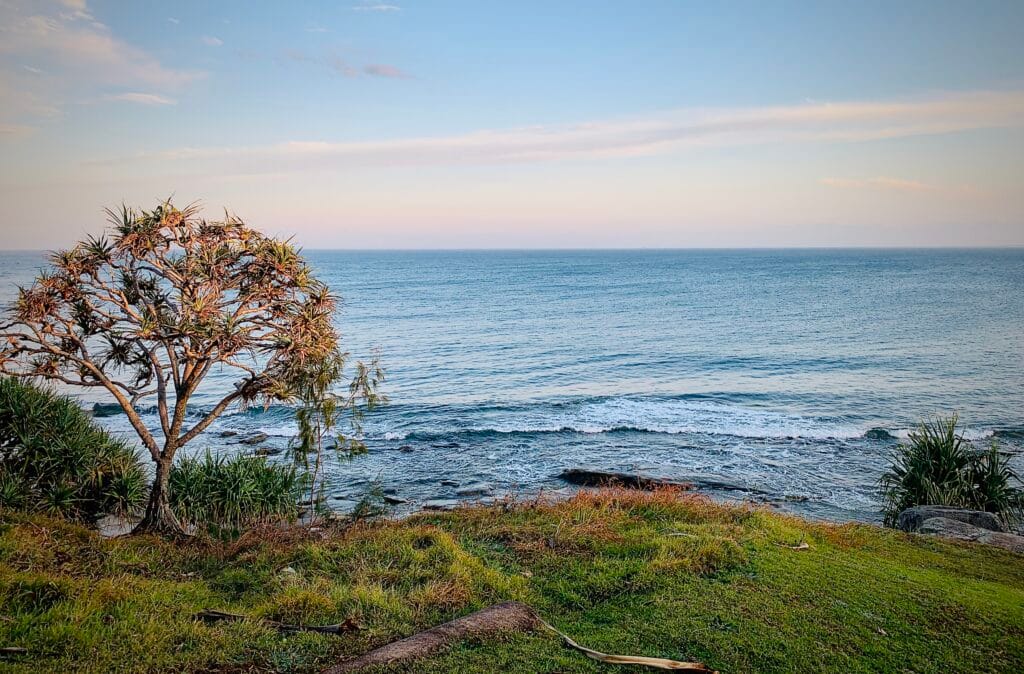
The oceans invite physical movement, which may improve overall well-being.. Whether you go swimming, hiking, or simply breathe in the fresh salty air the oceans can help to restore energy levels. Saltwater may also have healing elements for the skin and respiratory system. Ocean life can show us how to be in the ocean. To view a floating sea otter visit the – Pacific Ocean, British Columbia.
Counselling, the Oceans and Stress Reduction
Visiting the oceans can reduce stress levels. For instance, the sound of waves, the sight of open water, and the gentle sea breeze could engage your parasympathetic nervous system, helping to calm the body and mind. Listen to the sound of the tide and observe its rhythms, like its ebb and flow. Experience rain drops and storms over the oceans and vicinity. The sound of surf crashing and the visual beauty of a sunset could serve as entry point to a renewed self.

The Oceans: Towards Reconnection
Natural cycles and patterns may support us to reconnect with nature reducing our stress. Sometimes, emotions arrive like an unexpected storm, which can be both loud and confusing. Oceans and the land could be exceptional. Human preferences may be as diverse as grains of sand on an unfolding beach. If our parks and beloved places outside them become top heavy there could be dire impacts. For example, when short-term dividends, rather than long-term sustainability are dominant, the essence of unique locations may be eroded.
Encountering the Unanticipated
Remarkably, even in the most unexpected of places, if we take a moment to pause and reflect, beauty can emerge. Aesthetic realities may be reflected in a sunrise, sunset, or simply the way the sun’s rays illuminate the surroundings. Standing on the coast nature’s might and beauty is reinforced at – Ucluelet, British Columbia.
The Oceans: Sights and Sounds
Maritime aspects such as sights and sounds can be introduced through virtual realities. These could help to enhance human functioning and quality of life. Virtual realities present both advantages and drawbacks. For example, they can offer immersive experiences to augment counselling, education, and relaxation, benefiting people with sensory needs. However, virtual realities may contribute to such challenges as motion sickness or over stimulation (Weber, et al., 2022).
Sensory Rooms
Sensory rooms, provide a physical space that has the potential to promote serenity through controlled physical input, including relaxing lights, textures, and audio content. These rooms can be particularly advantageous for people who experience anxiety and sensory processing challenges. Two fundamental obstacles with sensory rooms are inadequate access and funding.
Virtual Methods
Simplifying virtual methods can facilitate reflection and transformation, especially through the use of images and sensory environments. For example, images that are available both online and offline may facilitate emotional balance and offer general therapeutic effects. As Milasan (2024) and Hartman (1999) suggest, photographs may support thematic contemplation, and foster meaningful personal and social imagination and transformation.
Images and Head-Mounted Displays
Images, both online and offline, can be showcased on a large scale without the complexities often linked to sensory rooms. However, challenges arise from the digital divide, which includes aspects such as limited access, negative perceptions, differing skill levels, and insufficient funding. For more information about the digital divide kindly see ONM and ODR – From Conflict to Management.
Head-Mounted Displays could provide a more cost-effective way than sensory rooms to facilitate healing. However, they are not without their risks as Leontopoulos, et al. (2023) suggest. One of their limitations is potential damage to your eyes with blue light. Other challenges are neck injuries and strain with additional weight (Perry, et al., 1993). Well-resourced sensory rooms may offer substantive benefits for certain people in specific contexts.

Counselling: Integrating the Personal and the Social
Counselling has the potential to optimise both personal and social functioning. The concept of ecosystems that support human activities can be applied across various domains, including counselling psychology, environmental conservation, sustainable development, and social impact initiatives.

Systems Informed Positive Counselling
This approach combines principles from positive psychology with systems theories to enhance people’s and the planet’s wellbeing. Emphasis is on understanding the elements of systems. For instance, ranging from individuals, to organisations, and ecosystems. These aspects are interconnected through processes of influence, feedback, and interdependence. By identifying and working with these dynamic interactions, this model aims to support both individual and collective flourishing (Magyar-Moe, et al., 2015).

Facilitating Ecological Sustainability
Systems Informed Positive Counselling draws upon emergent knowledge of what enables people and the planet to thrive, while also acknowledging the systemic challenges that need to be changed to restore balance in living systems. This way of counselling can help to broaden and build positive systems and a shared and ecological sustainability.
No One Size Fits All
One approach in counselling does not serve as a universal cure to remedy human activities and the effects on the planet. Systems Informed Positive Counselling can provide partial answers to questions associated with human experiences and ecological challenges (Kern & Taylor, 2021). Nevertheless, Magyar-Moe et al. (2015) assert that positive psychology focuses on developing personal and social strengths and capacities, while also acknowledging the existence of weaknesses and threats that require attention.
Carl Jung (1875-1961): Building Systemic Understanding
Carl Gustav Jung was a Swiss psychologist who lived from 1875 to 1961. Jung recognised the value of holism and systemic knowledge. When systems-level knowledge is coupled with lived experience, it becomes a powerful mediator. Such holistic knowledge is potentially capable of facilitating resilient, adaptive, and positive ecosystems. For Jung during the Industrial Revolution the imagination was a neglected aspect in the wake of spiritual estrangement (Dietrich, 2020).
Yunt (2001) noted Jung’s substantive contributions to psychology, and while Jung may not directly have addressed eco-psychology, in the way we currently think of it, his concepts can be a guide to understand human relationships with the planet.
Jung’s Active Imagination
Jung pioneered the concept of the active imagination. People during this process could freely meditate without necessarily having a predetermined objective. In a meditative state images may emerge linked to human experiences and interpretations. Subsequently, people might ask emergent images questions and enter into internal dialogue with them. Broadly active imagination is a means to engage with introspective life and to heal (Tate, 1999). This process can facilitate intuition, imagination, and sharing. Visual images and creative powers may have been shaped, for instance, by German idealism and the generative imagination (Dietrich, 2020).
Transcending Mechanists Perceptions of the Arts
We may find that images and generally, art, expression, and perception challenge inflexible, reductionist perceptions. Reductionist ways of seeing the world around us often attempt to simplify complex and interconnected realities. Subsequently, intricate cosmic webs are broken into isolated components. Reflective images can remind us of affective, biological, and social interrelationships, and the possibility of meaningful transcendence.
The Promise of Hope
We are often not bound by fate and can accomplish sustainable change. Sometimes, this involves us simply taking one step at a time. Before we set out to reach ocean abysses, perhaps we could first learn to step over puddles.
Hope is not ill conceived and it can be an applied strategy to encourage personal and collective actions facilitating health, happiness, and wellbeing. Accessing images that are not bound by a one-sided consciousness can unleash transformative energies.
Whilst there is life there is hope for a new dawn! We continue to have agency until we draw our last breaths. Even then under the first law of thermodynamics energy cannot be destroyed, nor can it be created. However, it may be changed. Metaphorically changing one thought, one behaviour, and one aspiration at a time can facilitate meaningful transformation. Therefore, we can step out of regenerative causal circuits involving self-defeating processes and harms to ecosystems, safeguarding beauty, and hope.
From Personal to Social Worlds
Jung was focused on a link between the psyche and the world around us. His work, particularly ideas such as the collective unconscious, archetypes, and the integration of the shadow, provide an entry point to explore human emotional and cognitive responses to ecological issues. Jung’s works include social symbols including about the oceans. Moreover, he described active imagination as a way to create knowledge (Dietrich, 2020).
Jung and Suppression
Jung’s exploration of suppression may be linked to peoples’ denial pertaining to ecological degradation and climate change. People often attempt to shield themselves by repressing ideas or emotions that they view as being painful. From an ecological perspective, people may be denying the harmful impacts of human activities on the planet. It is pivotal for people to address issues that may remain concealed, such as unsustainable practices, the importance of biodiversity, and the healing of both people and the planet (United Nations Ocean Conference, 2025).
Societies function more effectively when the well-being of individuals is integrated into a collective planetary awareness. From a focal standpoint, Jungian principles could enhance counselling practices and our relationship with the oceans by supporting people to relink with nature.

Reflecting on Transpersonal Psychology
Various methods could run parallel with counselling and the oceans, including those drawn from transpersonal psychology (Rimban, et al., 2024). Key concepts in this approach include contemplation and interconnectedness to foster self-consciousness, spiritual renewal and holistic health. Transpersonal psychology includes focus on personal, social, and planetary factors shaping human development, and transcendence (Golin, 2005).
Ocean Reflections
In summary, the oceans attract mystery and symbolism. The sounds of waves crashing or the feel of ocean breeze on the skin could evoke a sense of healing, wonder, calmness, or even transformation incorporating counselling. Ocean representations can serve as a backdrop for storytelling. They are an entry point for personal and social exploration. There are additional parallels that can be drawn between counselling and the oceans. For example, they both hold untapped potential, beauty, and complexity that may generally be appreciated with patience, application, respect, and holistic knowledge.

The Oceans, their Ecosystems, and Healing
When we are in natural environments—whether it is an ocean, or a mountain range—it is as though the stillness and the complexity of the surroundings have a healing impact. That sense of oneness with nature and the cosmos can help reset our biological rhythm and healthy thought patterns.
Nature-Based Counselling
Oceans and generally nature-based counselling and rituals, can enhance the physical, emotional, social, and spiritual aspects of personal and social healing. Ecosystems like the oceans can potentially restore us, and at the same time, the health of those ecosystems is based on how we nurture them. People rely on the oceans, which provide food, energy, and assist in the removal of carbon dioxide from the atmosphere (Government of Canada, 2024).
The Oceans and Biodiversity
The United Nations Ocean Conference (2022) posited that the oceans are a crucial source of the planet’s biodiversity. Furthermore, they are essential to regulating climate systems and water cycles. The oceans host a diverse assemblage of ecosystems. Together these ecosystems have a pivotal role in supporting life on our planet. For example, these systems are interconnected and provide oxygen, the foods we eat, and the work that sustains several livelihoods (United Nations Oceans Conference, 2022). The oceans help to limit the effects of greenhouse gases and safeguard biodiversity. Furthermore, we sail, paddle, and motor across oceans waters. The oceans are deeply interwoven with free trade, commerce, cultural traditions, and sustainable practices.
The Oceans and People
Clearly, there are interrelationships between people and nature. In 2000, Clayoquot Sound was created as a UNESCO Biosphere Reserve (United Nations Educational, Scientific and Cultural Institute, n.d.). Biosphere Reserves are ecosystems that focus on facilitating and illustrating a balanced connection between people and the planet. There exists a mutual relationship between the oceans, their eco systems, and healing.
The Oceans and Negotiating Dilemmas
Most aspects of life contain strengths, weakness, opportunities, threats, and risks. The oceans have a limited ability to rejuvenate, particularly when linked ecosystems face danger. The greater the interference we cause to these natural systems — via contamination, excessive consumption, and various human impacts — the harder it is for them to provide healing benefits. This presents a kind of predicament. We frequently rely on nature for recovery, while simultaneously needing to safeguard it to maintain its ability to heal. The ways to build a more capable interaction between humans and ecosystems, in which both can flourish, might be constrained by the limitations of the mechanistic mindset. Such theoretical underpinnings may not recognise how aspects are interconnected in the great circle of life.
Water as Life’s Blood
Adam’s blood is needed to support living entities. For instance, it transports needed nutrients, controlling temperatures, and eliminating waste. Just as blood moves where it is needed to support life, ocean water advances through the planet’s ecosystems to support life. However, water, including that found in our oceans, is not an infinite resource, and we must take the time to care for this invaluable entity. Water helps to regulate our planet’s temperatures.
The Increase of Pathogens
There are challenges with increasing temperatures in the Pacific. For instance, Traiger, et al (2022) recognise that with increasing temperatures in the Pacific there has been a rise of sea star wasting disease. Billions of vulnerable species appear to have been impacted by vibrio pectenicida strain FHCF-3 (National Library of Medicine, 2025). Coastal ecosystems provide a protective buffer to limit pathogens, floods, erosions and disasters (Government of Canada, 2021). Through it all Canadian’s can capture a motivational spark through, for instance, its national anthem (Government of Canada, 2024b).

Ecosystems: Balancing on the Edge of Extremes
Short-term human interests including profits and the long-term health of natural environments can conflict. Public interest is often cantered on our parks and outdoor spaces. Oceans and general natural environments have a distinctive power to awaken the human spirit and inspire our full potential. Yet, there is a double-bind here. Human activities directly influence ecosystems’ health. We depend on healthy eco-systems and their capacity to heal is shaped by human systems. Reconciling realities in conflict can be both an art and a science.
Ecosystems comprise interlocking elements that work together as a whole to maintain balance and sustain life. They broadly include the following aspects:
Biotic
Organisms that inhabit an ecosystem, incorporate plants, fungi, and microorganisms. These organisms interact with one another and their larger environment. For example, in the Pacific Ocean there are hydrothermal vents that expel hot, mineral-rich water; which is heated by magma beneath the floor of the ocean (Government of Canada, 2021). These vents are found in areas like the Pacific Ocean, especially near plate boundaries or volcanic hotspots. Unique species that live near these hydrothermal vents are vulnerable to changing conditions such as deep deposits of minerals. Researchers believe that over 80% of hydrothermal vent species are rare and live only in these unique sites.
Abiotic
Abiotic systems include non-living elements, such as air, water, soil, temperature, and sunlight. These features help shape the contexts in which organisms exist and flourish. Living and non-living elements are connected in cosmic contexts.
Through counselling gradually you might begin to breathe easier, until you become an adept diver, who can negotiate a single breakthrough moment. Healing can come quietly as you feel oceans’ waters awakening your feet and ankles. This is an opportunity to learn to balance in salty depths. Counselling provides opportunities to acquire information about your unique niche in life.
Energy Flow
Counselling can be a starting point to think about challenges. You may select one or more areas to address. Energy often enters ecosystems through sunlight and is transferred through food chains and webs. Producers (such as plants) convert solar energy into chemical energy, which is subsequently utilised by consumers (herbivores and carnivores). Counselling can serve as a way to introduce light into areas that are not confined to dark voids in the human psyche.
Links Between Living and Non Living Elements
As you progress through counselling you may experience a plethora of strong ideas and, memories. This scenario can be compared to a complicated network involving you, the flora, fauna, and microorganisms present in the oceans, including the Pacific Ocean. These interconnections are impacted by larger contexts, such as geographic and oceanic elements (Government of Canada, 2021).
Increasing Ocean Temperatures
An increase in ocean temperature could lead to a delay in the flow of ocean nutrients and the growth of plankton. Subsequently, this affects fish, shellfish, and shrimp who rely on these nutrients for their survival (Government of Canada, 2021). These linkages include different relationships such as competition and symbiosis (including interdependence, commensalism, parasitism). Consequently, this situation has negative effects on seabirds and marine mammals.
Nutrient Cycling
Elements like carbon, nitrogen, and phosphorus circulate within ocean ecosystems. Decomposers break down organic matter, returning nutrients to the soil or water, which are then absorbed by producers. For instance, while in the Pacific Ocean, you might observe that certain areas of water appear light green due to nutrients from the Fraser Valley, whereas other areas may appear darker and more foreboding. Oceans could be prohibited domains and metaphoric homes for horned sea creatures. These monsters could emerge from the deep recesses of the human unconsciousness (Jung, 1973; Jung, 1974).
There may be a therapeutic potential in magnesium which can be sourced from ocean water. Health benefits of magnesium could include skin barrier and skin hydration optimisation (Proksch, et al., 2005; Editor, 2023). Furthermore, sea plants and marine algae may enhance human health and longevity (Young, 2023).
Counselling and the Oceans: Interlocking Perspectives
Counselling, integrating, for example, biological, psychological, social, and artistic elements, can enhance our wellbeing. The oceans often have a unique way of connecting us to a deep sense of calm. Counselling is like being situated by the ocean, learning to listen to the waves, and the sound of distant thunder.
Counselling sessions can be a conduit to experience the ebbs and flows of the oceans. With respect, guidance, and education, the beauty and depth of counselling and our oceans can be experienced. Here are some of the benefits. The therapeutic potential of the oceans can be enhanced through the following kinds of activities.
Sustainable Resource Management
This may involve applying natural resources to meet present requirements, which includes land-use planning, sustainable agricultural activities, and lessening waste. Counselling and the oceans are most effective when our ecosystems are flourishing and contribute to environments that heal and improve moods.

Counselling, the Oceans and Improved MoodS
Spending time near water can lead to improvements in moods, lessening anxieties, pain management and depression. This calming environment may also promote relaxation making it easier to focus on the present moment. There is something inherently wonderful about the oceans and vicinities. However, when they are regarded as profit-driven assets, they can lose their essence. Often, people could agree on problems effecting ecosystems. Nonetheless, they might disagree with priorities and timelines.
Agreements About Problems
People may agree that our ecosystems are distressed as they face climate change, deforestation, pollution, and biodiversity loss. For example, the Canadian Pacific has been warming. It is estimated that over the past eighty years, the Pacific waters of Canada have warmed by approximately 0.7 degrees Celsius (Government of Canada, 2021). This in turn, potentially lowers both oxygen and nutrient levels.
Geopolitical Tensions
Tensions frequently emerge when determining a suitable starting point for ecosystem restoration. People may hold various viewpoints about economics, geopolitical matters, and the urgency of perceived threats. For example, some people may prioritise climate action. Furthermore, individuals may be in agreement that a vessel is necessary to travel on the water between islands; however, opinions can diverge on the timing of the expedition to explore the oceans.
Biodiversity Conservation
This includes protecting the diversity of life, ranging from species to ecosystems. One way of protecting life is to optimise ecosystems to obtain clean water, food, and air.
Education, Dialogue, and Support
Counselling provides opportunities for you to learn to safely float in turbulent waters. As you become more adept through counselling processes you may be reminded of when you first learned to swim. Counselling can have accompanying swimmers who learn to go on a marathon with you learning to sustain and enhance life.
Often, when people recognise the significance of ecosystems and the impact of their actions on the environment they are better equipped to create tangible solutions. Raising awareness of how we are interconnected to nature, can facilitate sustainable practices, that safeguard ecosystems.
Resilient Ecosystems
Ideally, these systems would have the ability to adapt to human, natural, and hybrid disasters, linked to climate change. Human resilience strategies may include restoring damaged ecosystems or developing sustainable infrastructure.

Counselling, the Oceans, and Limitations
Activities that are ocean dependent make a meaningful contribution to the economy (Ganter, et al. 2021). Unfortunately, in the rush for quick returns, the long-term impact on the environment, personal and social well-being, and general ecosystems can be overlooked. For instance, parks near the oceans, mountains, deserts, and plains can be overwhelmed. Notably, Canada has safeguarded and preserved 795,000 km2 of ocean (Ganter, et al., 2021).

Safeguarding Our Parks
Parks near the oceans can be harmed by pollution, inadequate fishing practices, and coastal development (Government of Canada, 2021). Moreover, oceans are vulnerable to invasive species that kill aquatic plants and animals. These invaders are introduced to vulnerable areas from vessels and ocean currents. Innovative, imaginative, and emerging sustainable practices that take into account the relationships between people and the planet are urgently needed.
Oceans and Mountain Parks Under Pressure
Ocean and mountain parks could suffer from erosion linked to over-hiking or from invasive species that thrive in stressed ecosystems. Deserts are often especially vulnerable to overuse since their ecosystems are fragile and slow to recover from human activity. Plains, generally seen as vast and resilient, can be impacted by overgrazing and urban sprawl.
Balancing Priorities
There is an intricate balance between people enjoying natural spaces and the impact that heavy visitation can have on those environments. Parks near oceans, mountains, deserts, and plains all offer distinctive beauty and are in need of protection. Oceans are undergoing heightened acidification, which is considered to be a factor in ecosystem distress (Ashur, et al., 2017). Elevated levels of CO2 lead to sensory alterations that range from auditory to visual perceptions. This is a time to ponder upon lessons learned, current realities, and future aspirations. There are a diversity of human experiences and ways of knowing. For instance, we can learn from Pacific outlooks.

Pacific Viewpoints
Teariki and Leau (2024) wrote about information-rich Pacific perspectives. Pacific outlooks can represent one or many outlooks. The Pacific region, which includes many different cultures, islands, and nations can be brought together to respect and value a unified Pacific. These worldviews may reflect individuals and collective identities and understanding. Pacific orientations can be interconnected, evoking images, memories, and emotions to help sustain people and planet.
Holism and Integration
Pacific ways of viewing the world extend to holism and interconnection. These perspectives can place emphasis on individual and collective spirituality, guardianship and stewardship of the natural environment. Sustainable green solutions could be the life’s blood we need in difficult times. Notably, it is important to recognise that individual experiences may differ markedly from broader Pacific cultural norms.
The Stories We Tell
We can learn from stories integrating, for instance, the Pacific Ocean. These accounts potentially guide and help to make meaning of the world around us. Holistic perspectives may include such aspects as day-to-day life spiritual dimensions, relationships including ancestral, respecting the oceans and the land.
Customising Counselling
Counselling serves as a way to assist people in adopting personal as well as social strategies that promote personal and social well-being. Counselling approaches including the oceans differ and often need to be fine-tuned to align with a person’s specific needs and situations.
If you experience intense emotional, cognitive, behavioural, and spiritual experiences you might look for ways to escape and self-soothe through the use of substances. You may find that for you certain psychotropic medications, for instance, when medical professionals administer and supervise them, offer short-or long-term relief, and other personal benefits.
In some cultures, psychedelic substances are integrated in traditional or spiritual practices and in that culture may have a role in personal growth. However, the use of illicit drugs, which are often unregulated and could be contaminated can introduce toxic substances into the body, increasing the risk of illness, early institutionalisation, and even death, both for the user and potentially others. Concerningly, Pacific cultural practices and ways of life are experiencing the negative impact of the illicit drug trade.
The Oceans and Illicit Drugs
The Pacific Ocean could be a conduit for illicit drug trafficking. The Pacific’s borders may seem to shrink when traffickers use small, low-profile, partially submersible vessels that are difficult to identify (McNiell & Quirk, 2024). For example, these crafts can travel long distances without stopping, making them especially challenging to intercept.
To successfully limit drug trafficking, governments may find greater advantage in international collaboration and cooperation, rather than operating independently and autocratically.
Australia, Canada, New Zealand, Singapore, Mexico, the United States, China, and others have interests in the Pacific Ocean. Constitutional monarchies and democracies often work best when each other’s dominion is respected.
The Oceans: Extending Policy and Procedure
Solid foundations for policy and procedure, are seldom achieved, in the words of the fictitious character Mary Poppins based upon – “a piecrust promise. Easily made, easily broken” (IMDb, 2025). Nonetheless, pie crust promises may serve as a gateway to create trade agreements that are valued, stable, and enduring. People often benefit from nature to heal, and we also need to protect it so it can continue to restore us. The oceans and their borders form a fundamental aspect of planetary well-being.

Natural and Human-Made Challenges
From natural to human-made challenges, Canada and Australia share significant connections. Wong (2023) noted the international firefighters, including those from Australia, who arrived in Canada during what was described as its most severe wildfire season in a century. Canada has received assistance from firefighters hailing from Australia, Chile, Costa Rica, France, New Zealand, Portugal, South Africa, and the United States. For an overview of recent fires and broadly heat irregularities in the United States and Canada see the National Aeronautics and Space Administration (2025). For an overview of fires in Queensland, kindly consult the Queensland Government (2025) and also take into account the New South Wales Government (2025a).
Lending Helping Hands Across the Pacific
On June 17, 2023, during an interview, Wong communicated with Andrew Stewart, a firefighter from South Australia. Stewart had arrived in Canada on June 8, 2023, he had years of experience as a volunteer firefighter since the age of 16 years. In Australia about 90% of firefighters were volunteers (Woo, 2023). Stewart was among the many planetary volunteers responding to smoky conditions and limiting or extinguishing wildfires.

Our home and native land!
True patriot love in all of us command.
With glowing hearts we see thee rise,
The True North strong and free!
From far and wide,
O Canada, we stand on guard for thee.
God keep our land glorious and free!” (Robert Stanley Weir, 1980, as cited by the Government of Canada, 2024).
Ocean Borders in Canada and Australia
Notably, Canada is flanked by three oceans: the Arctic, Atlantic and the Pacific. Canada has the most substantive coastline on the planet (Government of Canada, 2024a; Government of Canada, 2025). Australia is a coastal state (Australian Government, 2021). The Southern, Indian and Pacific Oceans border Australia (Geoscience Australia, 2022). Canada and Australia and other countries have shared interests in the Pacific Ocean. Perhaps about three tenths of the earth’s surface is covered by the Pacific (Government of Canada, 2021).
Canada ranks as the second biggest nation and it has the longest coastline in the world (Krueger & Nicholson, 2025). Australia is the world’s six largest country behind Russia, Canada, China, and the United States (Geoscience Australia, 2014).
The Coast Mountain Range
The Government of Canada (2021) referred to the Coast Mountain Range, which spans the western edge of Canada. This Range extends to the coast, giving rise to numerous inlets, fjords, and islands. Several rivers provide fresh water from precipitation and glacier melt into the Pacific Ocean. The three primary river systems include the Fraser, the Skeena, and the Nass. When these systems are in balance, ecosystems can be healthy and resilient. Any disruption, for instance, through climate change, habitat destruction, or invasive species can contribute to adverse impacts on ecosystem health.
Canadian and Australian Populations
In 2016, Canada had a total population of 35,151,728 people of whom 4,800,000 resided within 10 kilometres of the coastline (Ganter, et al., 2021; Statistics Canada, 2022). On December 31, 2019, Australia was home to 25,522,169 people, 87% of whom lived within 50 kilometres of the Australian coast (Australian Bureau of Statistics, 2020, Australian Government, 2021). The statistics differ among these nations, for instance, taking into account their closeness to the ocean. Nevertheless, this suggests that both Canadians and Australians appreciate being near the oceans.
Integrated Management Principles
In Canada, under Integrated Management Principles focus is on collaboration, information exchange, management and sustainability in ocean and coastal planning. This framework is situated in Canada’s Oceans Act S.C. 1996, c. 31 and supplementary maritime policy initiatives. Ecosystem-Based Management (EBM) focuses on maintaining the health, productivity, and resilience of entire ecosystems, rather than managing resources or activities in isolation. Focus in EBM is on the following sample aspects.
Ecological Development
This approach aims to respond to current social, economic, and environmental needs without compromising the ability of future generations to meet their requirements.
The Precautionary Approach
When scientific uncertainty arises, decision-makers should err on the side of caution to limit or prevent possibly serious or irreversible harm to the environment.
Conservation
A focus is on safeguarding biodiversity, habitats, and the general integrity of marine and coastal ecosystems.
Flexibility
This provides opportunities or adaptive management approaches that can be revised as new information or changing conditions arise.
Inclusiveness
Public participation is encouraged from all stakeholders in the decision-making process.
Integrated Management represents a cohesive, inclusive, and flexible approach to the planning and administration of oceans and their use. People can help the environment. For instance, by minimising the consumption of single-use plastics and disposing of waste wisely. Furthermore, they can support environmental policies and respect wildlife habitats (Government of Canada, 2024). People by observing, monitoring, and fostering high regard for the oceans can create an optimal environment for generations to come.
The Oceans and Regulatory Environments
Regulatory frameworks are designed to protect coastal environments and ensure sustainable land use (Farrier& Stein, 2006). For example, in New South Wales, Australia, the Coastal Management Act 2016 helped to establish allocated coastal management areas, each with their own specific conservation and development rules (New South Wales Government, 2016-2020).
The Coastal Management Act 2016
This Act outlines several key coastal management areas the:
- Coastal Wetlands and Seashore Rainforests Area – These zones protect ecologically sensitive wetlands and rainforests that play a crucial role in biodiversity and climate resilience (New South Wales Government, 2025b).
- Coastal Susceptibility Area – This grouping focuses on areas susceptible to coastal hazards such as erosion, sea-level rise, and tidal inundation.
- Coastal Environment Area – This includes natural features like beaches, rocky shorelines, and coastal lakes, which are preserved for their ecological, recreational, and scenic value.
- Coastal Use Area – Often this region is more developed than other areas. It generally encompasses urban and semi-urban regions located near estuaries, lakes, and lagoons, where planning must balance development with environmental protection .
Classifications Under the Act
Through these classifications, the Act promotes responsible land use, and helps mitigate the impact of human activities, and climate change on coastal ecosystems. However, there are regulatory shortfalls when it comes to preservation and protection. Nonetheless, counselling can play a substantive role in enhancing peoples’ well-being, which in turn, may positively influence their commitment to nurturing our oceans and the planet as a whole. Counselling approaches can assist in visualising, and even, arriving at distant and emerging shores, helping to restore a sense of balance and continuity.
Counselling and the oceans may serve as channels to promote holistic health and healing. New shores can provide a welcome refuge from stormy ocean waters (Jung, 1983). Your contextual knowledge is influenced by specific cultural and epistemological ecosystems. These systems create an environment for you to reflect on the entirety of your experiences and your own cosmos.

A land of sweeping plains
Of ragged mountain ranges
Of droughts and flooding rains” (MacKellar, 1904; as cited by The State Library of New South Wales, 2025)
Making Sense of the World
As you explore the unfamiliar, or thoughts that confront you to change and adapt like alchemists of old, you may transform base metal into gold! You have the potential to become an oracle as you contemplate your process of meaning-making and your everyday experiences. By thinking about how you make sense of the world, you can tap into a kind of inner intuitive wisdom. Becoming an “oracle” in this context does not refer to being able to predict the future with certainty, but rather, recognises the benefits of cultivating insight, and interpreting meaning from your life patterns. When you provide space for reflections on your thoughts, emotions, relationships, and self-stories you can transform ordinary experiences into sources of profound understanding. In that way, each moment becomes a message, and you become the one who reads and interprets this.
In Closing
This post offered an overview of the subsequent topics:
- The interrelationships between counselling and the oceans;
- Applications of counselling;
- The association between counselling, people and ocean ecosystems;
- Factors to consider regarding counselling and the oceans;
- Limitations of counselling and the oceans; and,
References
A-D
Ashur, M.M., Johnston, N.K. & Dixon, D.L. (2017, May 29). Impacts of Ocean Acidification on Sensory Function in Marine Organisms. Oxford Academic.
https://academic.oup.com/icb/article-abstract/57/1/63/3858100?redirectedFrom=fulltext
Australian Government (2021). Australia State of the Environment. Population.
https://soe.dcceew.gov.au/coasts/pressures/population
Australian Bureau of Statistics (2020, June 18). National, state and territory population.
https://www.abs.gov.au/statistics/people/population/national-state-and-territory-population/dec-2019
Department of the Environment, Tourism, Science and Innovation (n.d.). Joseph Banks Conservation Park map.
https://parks.desi.qld.gov.au/__data/assets/pdf_file/0019/160516/joseph-banks-cp-map.pdf
Dietrich, B.D. (2020). Jungian Psychology Active Imagination and Western Philosophy: Volume 2, C.G. Jung and the Philosophical Imagination.
https://www.academia.edu/44967915/Jungian_Psychology_Active_Imagination_and_Western_Philosophy_Volume_2_C_G_Jung_and_the_Philosophical_Imagination
E-F
Editor (2023, June 8). Ele I Na Launches Oceanflow Therapy To Honour World Ocean Day: Experience Inner Journey Through Soothing Ocean Water. Maldives
https://visitmaldives.com/en/news/ele-i-na-launches-oceanflow-therapy-to-honour-world-ocean-day-experience-inner-journey-through-soothing-ocean-water
Farrier, D. & Stein, P. (2006). Environmental Law Handbook. Planning and Land Use in New South Wales (4th ed.). Redfern Legal Centre.
G-H
Ganter, S., Crawford, T., Irwin, C. Robichaud, DeMaio-Sukic, Wang, J., Andrews, J. & Larocque, H. (2021, July 19). Canada’s oceans and the economic contribution of marine sectors. Statistics Canada.
https://www150.statcan.gc.ca/n1/pub/16-002-x/2021001/article/00001-eng.htm
Geoscience Australia (2014). Australia’s Size Compared. Australian Government
https://www.ga.gov.au/scientific-topics/national-location-information/dimensions/australias-size-compared
Geoscience Australia (2022). Oceans and Seas. Australian Government.
https://www.ga.gov.au/scientific-topics/national-location-information/dimensions/oceans-and-seas
Government of Canada (2021). Canada’s Oceans Now: Pacific Ecosystems, 2021.
https://www.dfo-mpo.gc.ca/oceans/publications/soto-rceo/2021/report-rapport-eng.html
Government of Canada (2024a). Coastlines.
https://www.canada.ca/en/services/environment/our-environment/nature-based-climate-solutions/coastlines.html
Government of Canada (2024b). National anthem of Canada.
https://www.canada.ca/en/canadian-heritage/services/anthem-canada.html
Government of Canada (2025) Oceans Act S.C. 1996, c. 31. Justice Laws Website.
https://laws-lois.justice.gc.ca/eng/acts/o-2.4/FullText.html
Golin, C.L. (2005). An application of the spiral dynamics integral model to business consulting. Institute of Interpersonal Psychology.
Hartman, T. (1999). A phenomenological study of the procedure of active imagination and active imagination as a form of Western imaginal or visionary meditation. Saybrook University.
Huss, E., Nagamine, M., Zaccai, M. (2025, January 30). Observing versus creating flowers: a review of relevance for art therapy. National Library of Medicine. Pub Med Central.
https://pmc.ncbi.nlm.nih.gov/articles/PMC11821929/
I-J
IMDB (2025). Mary Poppins Quotes.
https://www.imdb.com/title/tt0058331/quotes/?item=qt0437026
Jung, C.G. (1973). Answer to Job. R.F.C. Hull Ed. Princeton University.
Jung, C.G. (1974). Dreams. R.F.C. Hull Ed. Princeton University.
Jung, C.G. (1983). Memories, Dreams, Reflections. Flamingo.
K-M
Kern, M.L. & Taylor, J.A. (2021, June 25). Systems Informed Positive Education. Springer Nature.
https://link.springer.com/chapter/10.1007/978-3-030-64537-3_5
Krueger, R.R. & Nicholson, N.L. (2025, May 28). Canada. Britannica.
https://www.britannica.com/place/Canada
Leontopoulos, M., Leontopoulos, S., Knoop, M. (2023, January 24). Consideration of blue light hazard for virtual reality head mounted displays.
Magyar-Moe, J.L., Owens, R.L., Conoley, C.W. (2015, April 6). Positive Psychological Interventions in Counseling: What Every Counseling Psychologist Should Know. Sage.
https://doi.org/10.1177/0011000015573776
McNeill, H. & Quirk, G. (2024). “Narco-subs” in the Pacific demonstrates need for effective maritime security cooperation. The Interpreter.
https://www.lowyinstitute.org/the-interpreter/narco-subs-pacific-demonstrates-need-effective-maritime-security-cooperation
Milasan, L. H. (2024). ‘Taking Pictures is Like Treasure Hunting’: Exploring the Therapeutic Value of Photography as a Qualitative Research Method. International Journal of Qualitative Methods.
https://doi.org/10.1177/16094069241236219
N-P
National Aeronautics and Space Administration (2025). Firms US/Canada.
https://firms.modaps.eosdis.nasa.gov/usfs/map/#d:24hrs;@-127.5,48.4,4.0z
National Library of Medicine (2025, August 4). Vibrio pectenicida strain FHCF-3 is a causative agent of sea star wasting disease. Pub Med.
https://pubmed.ncbi.nlm.nih.gov/40760083/
New South Wales Government (2016-2020). Coastal Management Act 2016 No 20.
https://legislation.nsw.gov.au/view/whole/html/inforce/current/act-2016-020
New South Wales Government (2025a). New South Wales Rural Fire Service.
https://www.rfs.nsw.gov.au/fire-information/fires-near-me
New South Wales Government (2025b). Resilience and Hazards SEPP.
https://www.planning.nsw.gov.au/policy-and-legislation/coastal-and-marine-management/coastal-management/resilience-and-hazards-sepp
Perry, C.E., Buhrman, J.R., Knox, F.S. (1993). Biodynamic Testing of Helmet Mounted Systems.
Sage.
https://doi.org/10.1177/154193129303700120
Proksch, E., Nissen, H-P, Bremgartner, M. & Urquhart, C. (2005). Bathing in a magnesium-rich Dead Sea salt solution improves skin barrier function, enhances skin hydration, and reduces inflammation in atopic dry skin. National Library of Medicine. Pub Med.
https://pubmed.ncbi.nlm.nih.gov/15689218/
Q-R
Queensland Government (2025). Current Bushfires and Warnings.
https://www.getready.qld.gov.au/alerts-and-warnings/current-bushfire-incidents
Queensland Wader Study Group (n.d.). Nudgee Beach.
https://waders.org.au/watching-waders/where-to-see-waders/nudgee-beach/
Rimban, E.L., Coloma, M.A., Camaeg, J.P., Payaket, M.M.,(2024). Mindfulness Meditation and Transpersonal Psychology: Developing Soft Skills for Tough Times. IUP Journal of Soft Skills.
https://papers.ssrn.com/sol3/papers.cfm?abstract_id=4762854
Rogers, C.M., Mallinson, T., & Peppers, T. (2014). High-intensity sports for posttraumatic stress disorder and depression: feasibility study of ocean therapy with veterans of operation enduring freedom and operation Iraqi freedom. National Library of Medicine. Pub Med.
https://pubmed.ncbi.nlm.nih.gov/25005502/
S-T
Shirazi, A., Brody, A.L., Lang, A.J. (2024, November 15). Recovery Horizons: Nature-Based Activities as Adjunctive Treatments for Co-Occurring Post-Traumatic Stress Disorder and Substance Use Disorders. Sage.
https://doi.org/10.1177/15598276241300475
Shute Harbour Marina Resort (2008). Environmental Impact Statement – Executive Summary. Shute Harbour Marina Development.
State Library of New South Wales (2025). Dorothea Mackellar’s My Country.
https://www.sl.nsw.gov.au/stories/dorothea-mackellars-my-country
Statistics Canada (2022). Population and dwelling counts: Canada, provinces and territories.
https://www150.statcan.gc.ca/t1/tbl1/en/tv.action?pid=9810000101&geocode=A000011124
Traiger, S. B., Bodkin, J.L. Coletti, H.A., Ballachey, B., Dean, T., Esler, D. , Iken, K., Konar, B., Lindeberg, M.R., Monson, D, Robinson, B., Suryan, R.M. & Weitzman, B.P. (2022, 13 July). Evidence of increased mussel abundance related to the Pacific marine heatwave and sea star wasting. Marine Ecology.
https://doi.org/10.1111/maec.12715
U-Y
United Nations Educational, Scientific and Cultural Institute (n.d.). Logo and Patronage.
https://www.unesco.org/en/logo-patronage
United Nations Oceans Conference (2022). Political Declaration. 2022 United Nations Ocean Conference. https://www.un.org/en/conferences/ocean2022/political-declaration
United Nations Ocean Conference (2025). 2025 United Nations Ocean Conference.
https://sdgs.un.org/conferences/ocean2025
Weber, C., Krieger, B, Hane, E., Yarker, J., & McDowall, A. (2022, February 25). Physical workplace adjustments to support neurodivergent workers: A systematic review. Applied Psychology. Oxford.
https://doi.org/10.1111/apps.12431
Wong. J. (2023, June 17). Meet the international firefighters battling Canada’s worst wildfire season in a century. CBC News. Canadian Broadcasting Corporation.
https://www.cbc.ca/news/canada/edmonton/international-firefighters-canada-wildfires-1.6879084
Woo, A. (2023, June 17). The “firies’ Down Under. The Globe and Mail.
https://www.theglobeandmail.com/canada/article-canada-australia-wildfire-response/
Young, S.J. (2023, August 7). Robust spas at sea are floating enclaves of relaxation, pampering, vitality and wellness. Mind, Body, Soul: Spas at Sea. Luxury Travel Advisor.
https://www.luxurytraveladvisor.com/cruises/mind-body-soul
Yunt, J.D. (2001, Spring). Jung’s Contribution to an Ecological Psychology. Journal of Humanistic Psychology. Sage.
https://journals.sagepub.com/doi/10.1177/0022167801412007